Transport infrastructure
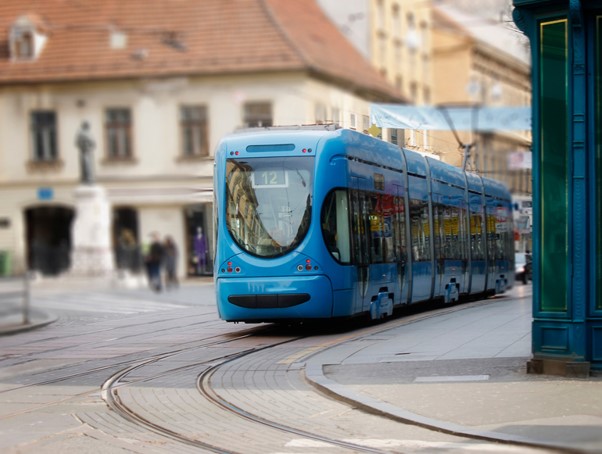
The transport infrastructure sector, which includes rail networks, metros, trams, airports, ports, as well as road and highway infrastructures, represents a cornerstone of economic functioning and territorial mobility. It is characterized by high energy intensity, continuous operation, and stringent requirements for safety, reliability, and service continuity.
Its greenhouse gas emissions mainly come from the power supply to electric traction systems, infrastructure lighting, signaling and safety equipment, as well as ancillary facilities such as stations, terminals, or maintenance centers. In addition, there is significant energy consumption related to ventilation, air conditioning, and flow management systems, particularly in underground or confined environments.
In a context marked by increasing mobility demands, pressure on operating costs, and strengthened decarbonization targets, the energy transition represents a major strategic lever for transport infrastructure operators. This transition relies on a combination of solutions integrating energy efficiency, electrification of uses, on-site renewable energy, and the development of energy flexibility through energy storage.
GreenYellow positions itself as a strategic partner for retailers to support this transformation.
GreenYellow supports transportation system managers with a comprehensive approach that covers the entire energy value chain
- analysis
- design
- Financing
- deployment, and operational management of solutions
This approach ensures operational continuity while optimizing costs and reducing carbon footprint.
Improving energy efficiency and electrification of uses
The transport sector has significant potential for energy optimization, particularly due to the standardization of equipment and the continuity of operations.
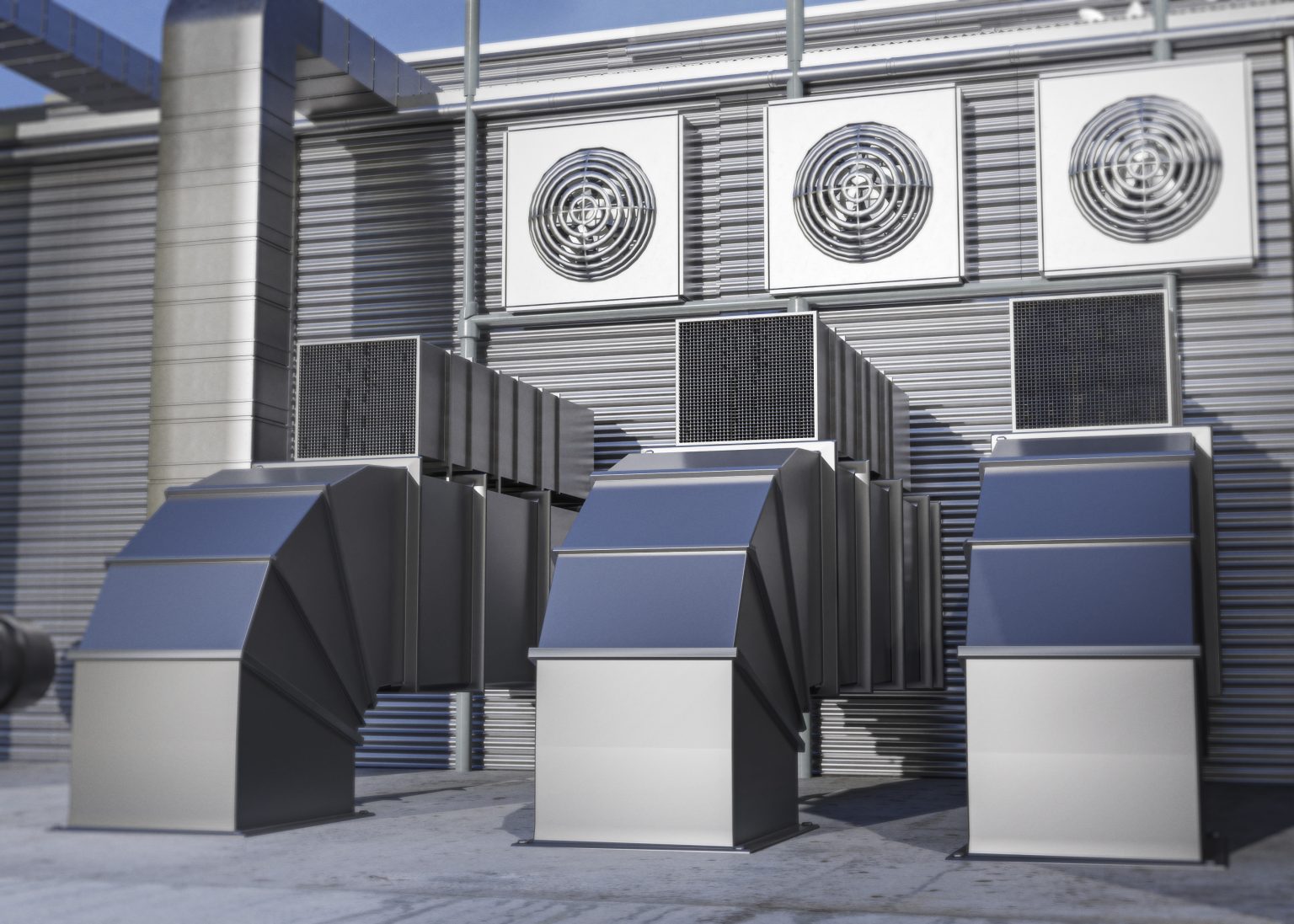
mproving energy efficiency primarily involves optimizing the most energy-intensive systems, such as infrastructure lighting, ventilation systems, auxiliary traction equipment, and technical building installations. Replacing them with high-performance technologies, such as smart LED lighting or variable-speed ventilation systems, generates substantial savings while enhancing service quality.
GreenYellow supports transportation system operators across the entire energy value chain, without requiring any CAPEX from the client and with a performance guarantee.
Our comprehensive approach combines:
Energy recovery and valorization
Energy recovery and valorization are also key levers. For instance, energy from train or metro braking can be captured and reinjected into the grid, while optimizing electrical systems reduces energy losses across the infrastructure.
Electrification of end uses
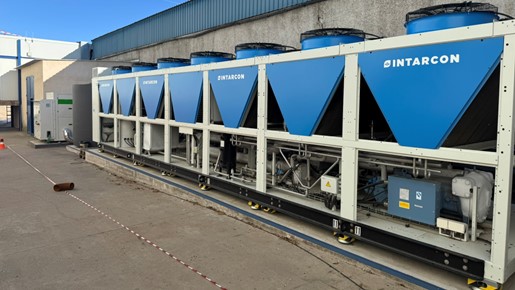
This sector has already widely implemented this approach, which can be further enhanced through low-carbon solutions for ancillary uses, particularly high-performance electric heating and cooling systems. This approach reduces reliance on fossil fuels and improves the overall efficiency of installations.

Transition to local green energy production
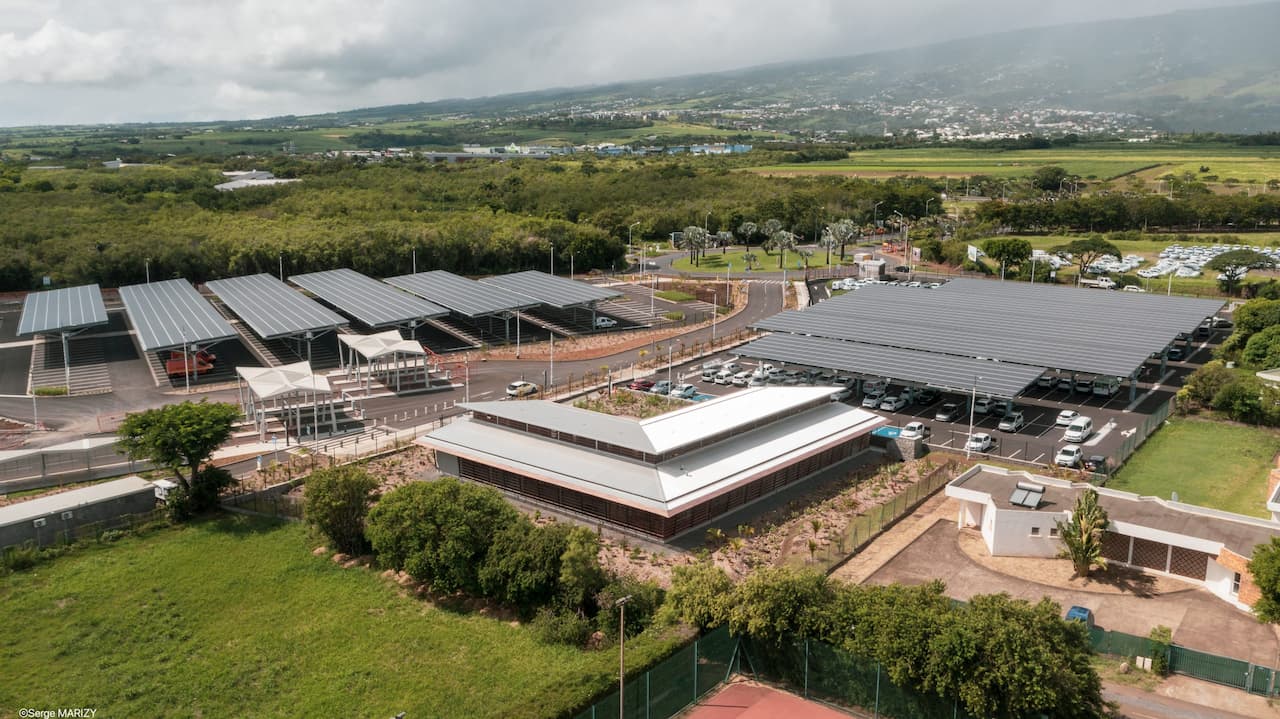
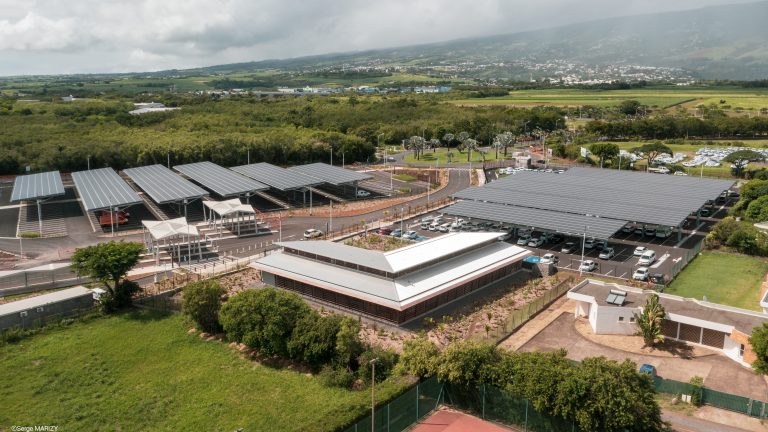
Transport infrastructures often have large, underutilized areas, such as station roofs, parking lots, railway corridors, or logistics zones, which provide ideal opportunities for deploying renewable energy solutions.
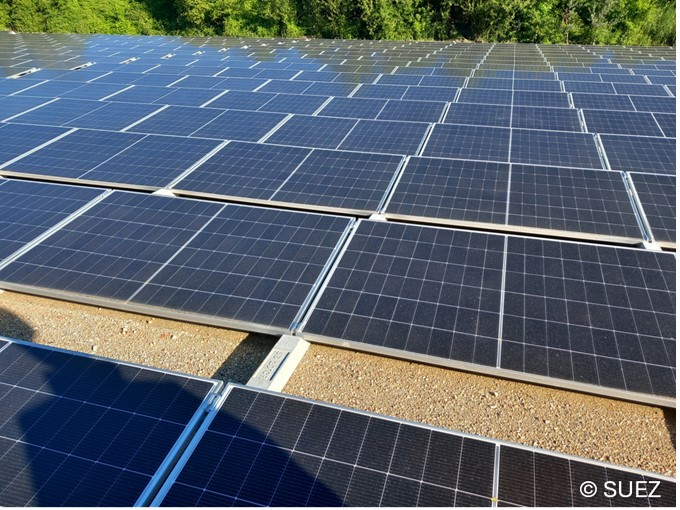
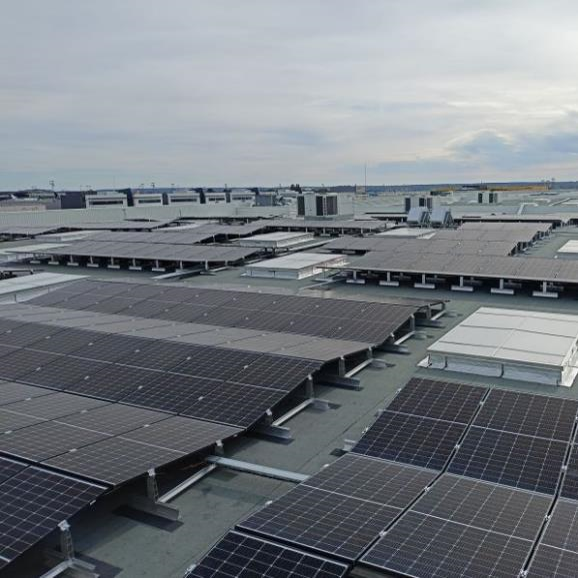
The installation of photovoltaic systems for self-consumption allows local production of carbon-free electricity directly used to power infrastructure equipment, including lighting, signaling systems, and associated buildings. This local production reduces energy costs and secures part of the energy supply.
Reducing energy bills
by consuming electricity produced on-site and monetizing excess energy via grid injection.
Benefiting from a turnkey model
with 0 € CAPEX and guaranteed performance, for a simple and secure energy transition.
Strengthening energy independence
and limiting cost volatility linked to fossil fuels.
Decarbonizing operations
by substituting a significant share of consumption with solar electricity.
Innovation | Energy Demand Management
In the transport infrastructure sector, energy management must guarantee service continuity and user safety. Solutions implemented must therefore be robust, reliable, and fully integrated with existing systems.
Energy Storage
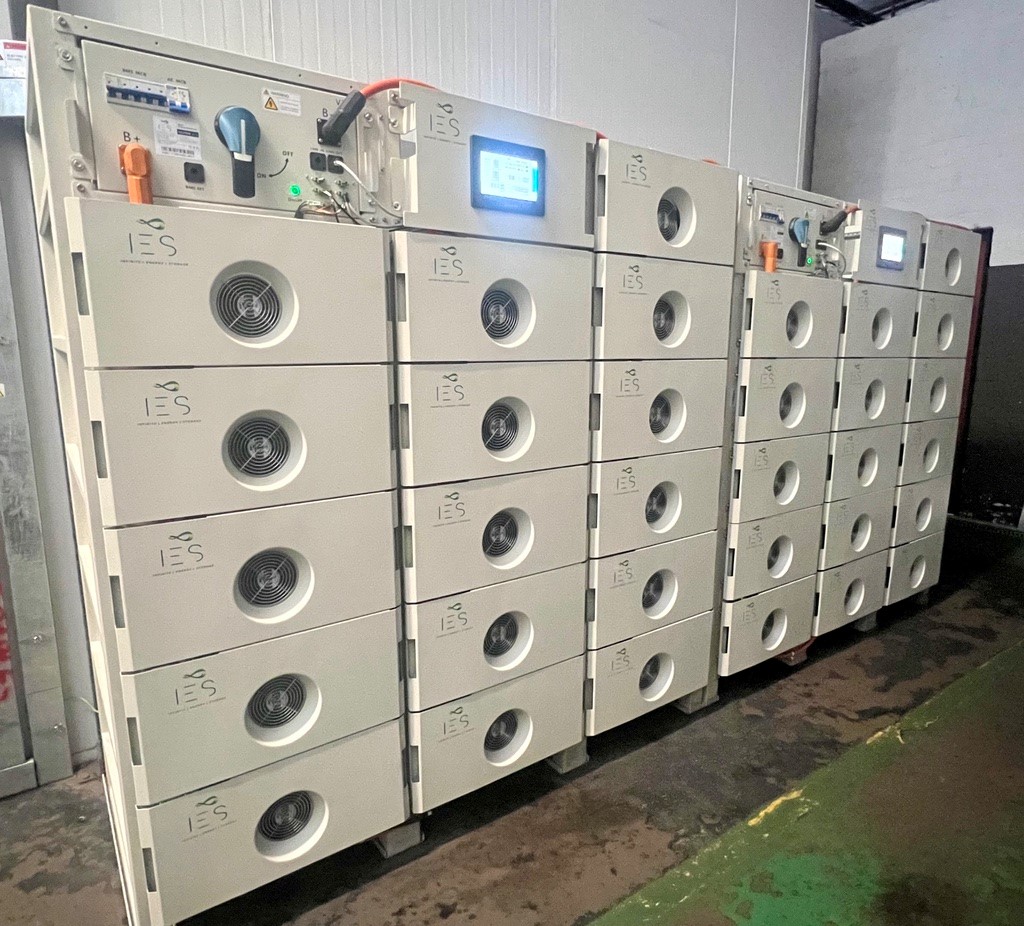
Energy storage is a crucial lever for improving flexibility and resilience. Battery systems help smooth consumption peaks, optimize power demand, and secure the supply to critical equipment during network disruptions.
Additionally, storage can be used to valorize recovered energy, particularly in railway or urban transport networks, allowing its use at the most advantageous times.
GreenYellow is taking it a step further by developing microgrids
In partnership with Schneider Electric, we are implementing local, autonomous, and resilient energy systems capable of ensuring a reliable power supply for critical systems.
GreenYellow stands out with a proactive, modular approach, offering a platform of combinable or individually deployable solutions:
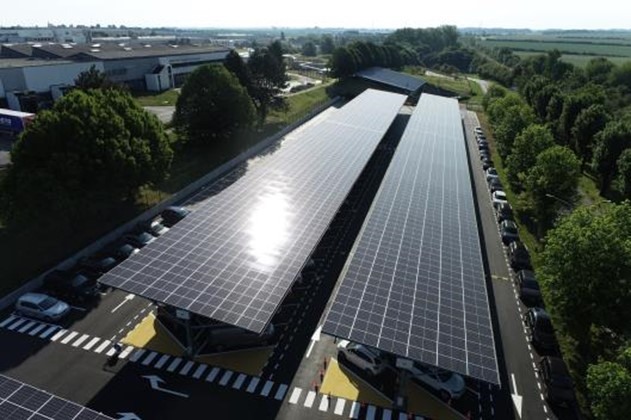
Solar farms, solar photovoltaic plants on rooftops or solar carports for self-consumption and feeding into the grid.
Energy storage solutions to smooth out peaks, ensure a reliable power supply, and maximize flexibility.
Cost and investment management
Transport infrastructures require significant investments and operate within long-term cycles, often under tight budgetary constraints, particularly for public actors and operators.
In this context, energy transition projects must be designed to minimize the impact on investment capacity.
The ESCO model proposed by GreenYellow addresses these constraints by offering a fully financed solution, with no CAPEX required from the client.
GreenYellow handles:
Initial investment, with no CAPEX required from the client.
Design and engineering of installations.
Deployment and maintenance of equipment.
Operational monitoring and performance tracking.
This model allows infrastructure managers to immediately benefit from the savings generated while mitigating technical and financial risks.
Regulatory compliance
The transport infrastructure sector is subject to a particularly demanding regulatory framework, notably regarding safety, accessibility, and environmental performance.
Operators must meet increasing requirements in carbon reduction, energy efficiency, and infrastructure resilience while ensuring continuity of service.
Avec GreenYellow
Alongside sector players, GreenYellow supports clients to ensure compliance with local regulations while anticipating future changes.
With recognized expertise since 2007, GreenYellow continuously monitors regulatory developments to adapt solutions to evolving standards and ensure legal compliance.
This support allows transport infrastructure operators to secure operations while embedding sustainable energy performance within a compliant and demanding framework.
Awareness and Engagement
Stakeholders in the transportation system sector
The success of the energy transition in transport infrastructures relies on the involvement of all stakeholders, including operators, maintenance teams, organizing authorities, and users.
Developing a culture of energy performance is essential to sustain achieved gains. This involves raising awareness among operational teams, implementing monitoring and management tools, and integrating energy considerations into operational processes.
This approach ensures the energy transition is durably embedded in infrastructure operations while guaranteeing a high level of service and safety for users.