Activate your energy shield, thanks to decarbonization, electrification and energy flexibility offers, 100% financed by GreenYellow
As an energy partner and a leading orchestrator of the decentralized energy transition, GreenYellow has been supporting Commercial & Industrial (C&I) businesses and the public sector since 2007 in their decarbonization and electrification journeys, while helping them achieve greater energy independence and flexibility.
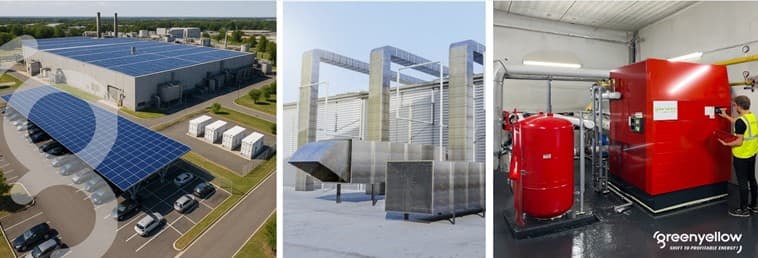
As an integrator and operator of tailored energy solutions, the Group offers an integrated approach combining energy efficiency, the electrification of energy uses, solar photovoltaic generation, and battery energy storage.
Through our “Energy-as-a-Service” model, these solutions are fully financed with no upfront investment, backed by a commitment to performance and availability.
You & GreenYellow
Industry is at a crossroads where decarbonization, competitiveness, and energy independence are intrinsically linked. To meet global climate action goals, industrial players must reduce their CO₂ emissions by adopting cleaner energy sources, improve their energy efficiency, and strengthen their resilience to fluctuations in energy prices.
The agri-food sector, which is a major source of GHG emissions (agricultural activities, livestock farming, food processing, transport, etc.), faces significant challenges: reducing its carbon footprint, optimising its energy costs and strengthening its energy independence. Meeting these challenges is essential to achieving climate targets, whilst ensuring the sector’s competitiveness in a constantly changing environment.
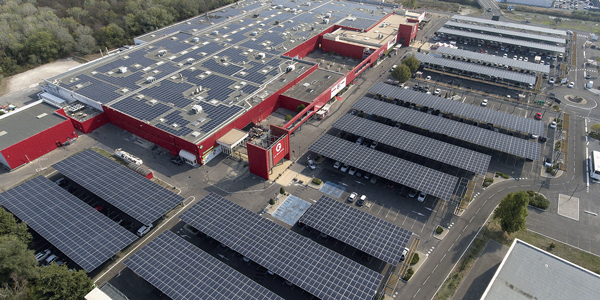
The retail sector is heavily reliant on energy. In order to reduce its carbon emissions whilst maintaining its competitiveness, this sector must modernise its equipment, adopt renewable energy sources such as solar power, improve its energy efficiency and rethink its transport and logistics methods. The integration of energy storage solutions to better manage peaks in consumption, as well as the installation of electric vehicle charging points (EVCPs) to support sustainable mobility and enhance the appeal of retail locations, are also key solutions.
The service sector accounts for a significant proportion of energy consumption and GHG emissions. To meet the challenges of the energy transition, it is essential that the sector modernises its infrastructure, adopts renewable energy solutions – such as solar power – and optimises its energy efficiency. The integration of high-performance energy management systems, along with the installation of electric vehicle charging infrastructure (EVCI), are key drivers for reducing the carbon footprint whilst ensuring the competitiveness and attractiveness of buildings. Furthermore, the use of energy storage solutions enables better management of fluctuations in energy demand and strengthens businesses’ energy independence.
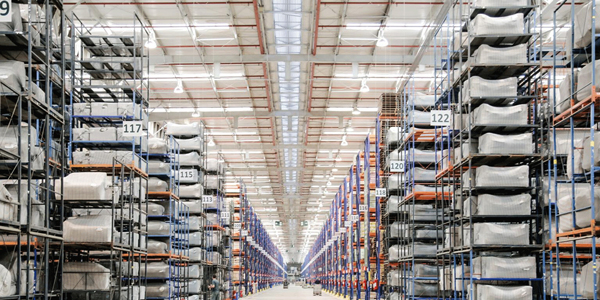
Activities in the logistics sector (storage, handling, refrigeration and distribution of goods) have a significant environmental impact due to their high energy consumption and greenhouse gas emissions. To address the challenges of the energy transition, this sector must reinvent itself by reducing its carbon footprint, optimising its energy processes and adopting more sustainable solutions, in order to remain competitive.
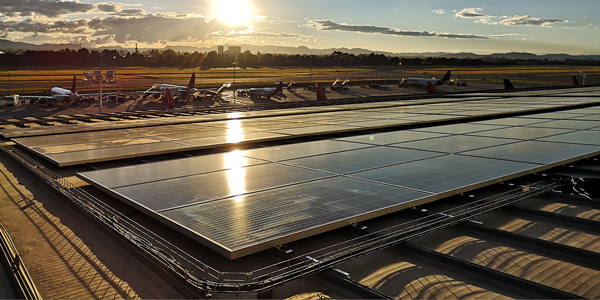
Transport infrastructure (airports, railway stations, seaports, etc.) plays a key role in the energy transition. Due to its high energy consumption and greenhouse gas emissions, it has a significant environmental impact. To address climate challenges, it is essential that these infrastructure facilities decarbonise their operations, strengthen their energy independence and adopt sustainable mobility solutions, in order to reduce their carbon footprint and support a greener future.
The public sector has a vital responsibility to society and the environment. As part of the energy transition, it must lead by example, reducing its carbon footprint and adopting sustainable practices. This will contribute to conserving natural resources and achieving climate goals.