Logistics
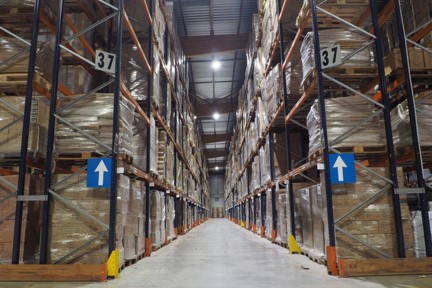
The Logistics sector, which encompasses transportation, warehousing, and distribution activities — ranging from storage platforms and refrigerated warehouses to distribution hubs and sorting centers — is characterized by increasing energy intensity and operational challenges closely tied to the continuity and speed of flows.
Its greenhouse gas emissions primarily stem from electricity consumption in warehouses (lighting, automated systems, material handling equipment), refrigeration for temperature-controlled facilities, as well as the growing demand for charging electric vehicle fleets. In addition, operations often span large surface areas with extended, sometimes continuous, operating hours, requiring constant energy availability.
In a context marked by the rapid growth of e-commerce, increasing pressure on delivery timelines, rising energy costs, and stricter environmental requirements, the energy transition has become a strategic lever for Logistics players. This transition now relies on a combination of complementary levers, including energy efficiency, electrification of uses, on-site renewable energy, and the development of energy flexibility through energy storage.
GreenYellow positions itself as a strategic partner for retailers to support this transformation.
In this context, GreenYellow supports Logistics stakeholders with a comprehensive and integrated approach covering the entire energy value chain.
- analysis
- design
- Financing
- deployment, and operational management of solutions
This approach enables the alignment of economic performance, operational continuity, and carbon footprint reduction.
Improving energy efficiency and electrification of uses
The Logistics sector offers significant potential for energy optimization, particularly due to standardized building designs and repetitive usage patterns.
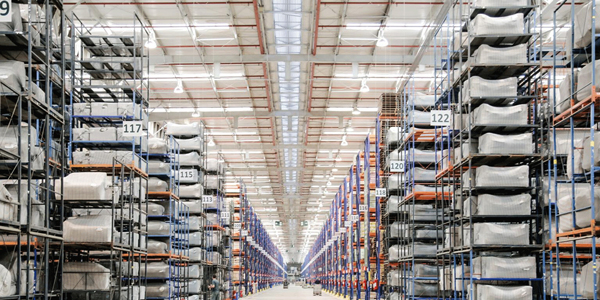
Improving energy efficiency is a key priority, especially through the optimization of lighting systems, which account for a significant share of energy consumption in warehouses. Replacing conventional systems with intelligent LED solutions, combined with automated detection and control systems, can generate substantial savings.
Optimizing material handling equipment, conveyors, and automated systems also contributes to reducing energy consumption while improving site productivity.
Our comprehensive approach combines:
Reduction in Energy Consumption
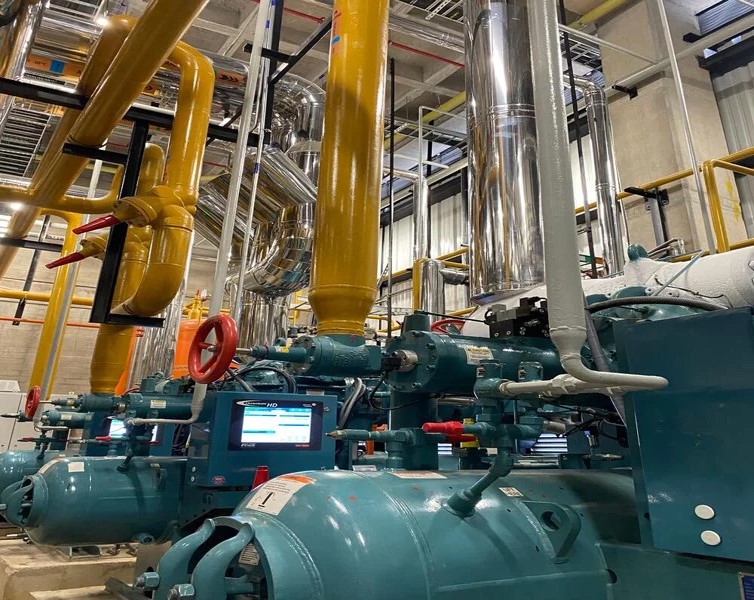
For temperature-controlled platforms, enhancing the performance of refrigeration systems, combined with waste heat recovery, represents a major energy efficiency lever.
Electrification of end uses
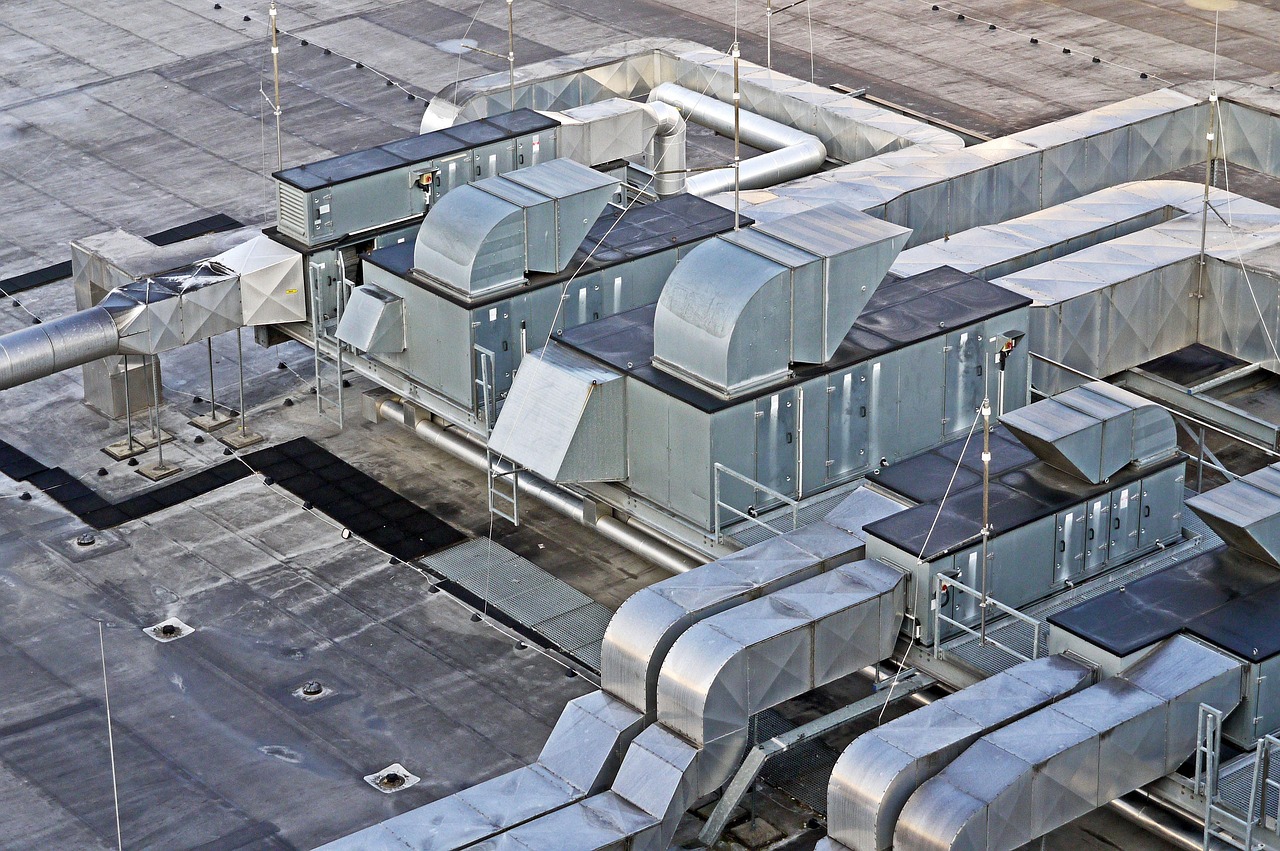
Furthermore, electrification of uses is a key driver of the energy transition in Logistics platforms. It involves the gradual replacement of fossil fuel-based equipment with more efficient electric solutions, particularly for heating, air treatment, and refrigeration. Technologies such as heat pumps significantly improve site energy performance while reducing carbon emissions. When combined with on-site renewable energy generation and advanced energy management systems, electrification helps optimize consumption and enhance overall site performance.

Transition to local green energy production
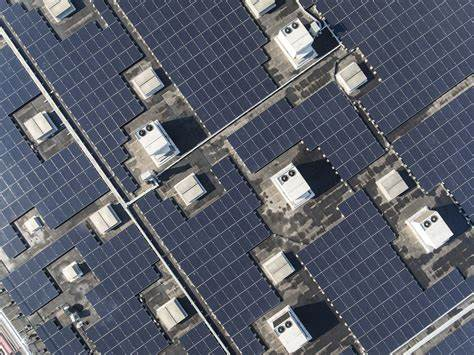
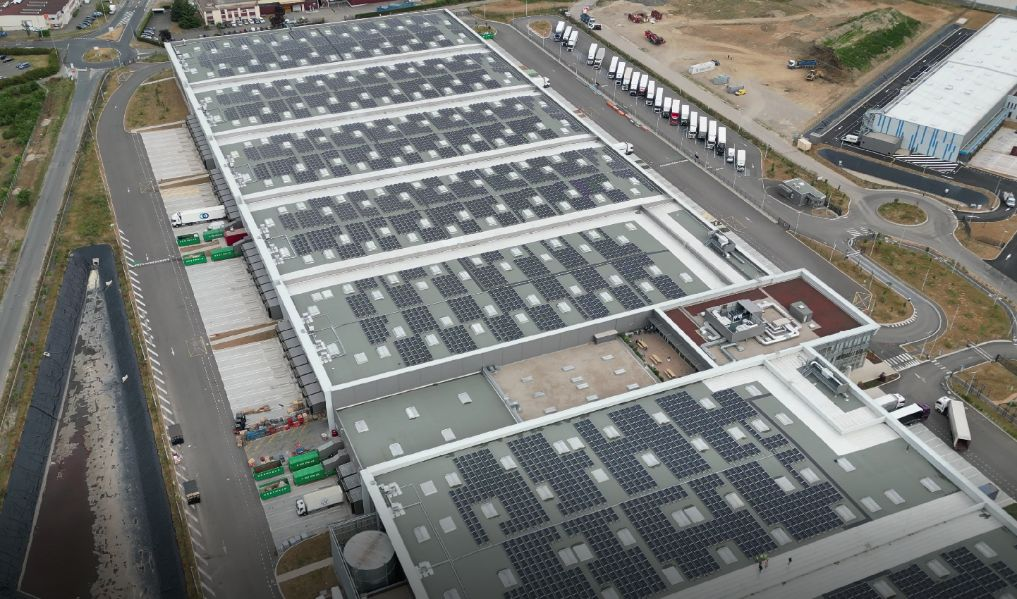
Logistics platforms are particularly well suited for deploying renewable energy solutions, notably due to their large rooftop surfaces and often peri-urban locations.
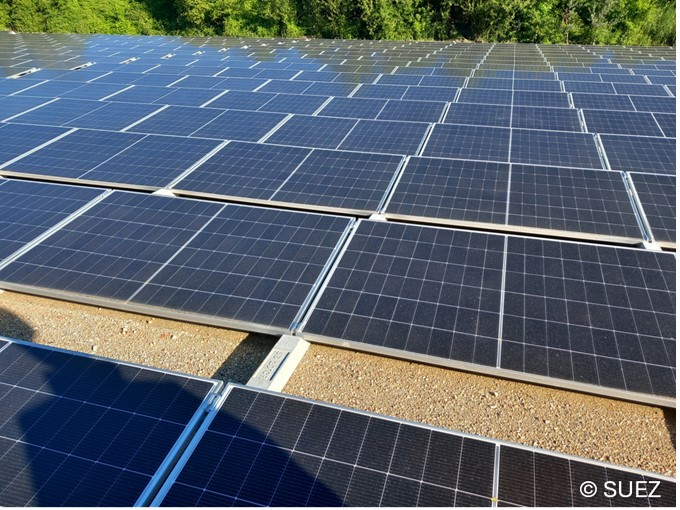
Installing photovoltaic systems for self-consumption enables the local production of decarbonized electricity, directly used to power site operations, including automated systems.
This local production also serves as a key driver for logistics providers, who are increasingly committed to decarbonizing their operations and supply chains.
Reducing energy bills
by consuming electricity produced on-site and monetizing excess energy via grid injection.
Benefiting from a turnkey model
with 0 € CAPEX and guaranteed performance, for a simple and secure energy transition.
Strengthening energy independence
and limiting cost volatility linked to fossil fuels.
Decarbonizing operations
by substituting a significant share of consumption with solar electricity.
Innovation | Energy Demand Management
In the Logistics sector, energy management must adapt to variable consumption patterns, often linked to activity peaks driven by goods flows.
Energy Storage
Smart management systems also enable real-time synchronization between photovoltaic production and site consumption, optimizing overall energy use.
GreenYellow is taking it a step further by developing microgrids
The development of Microgrids in partnership with Schneider Electric, is fully aligned with this approach, enabling local, intelligent, and resilient energy management. This strengthens operational continuity while optimizing the overall performance of logistics platforms.
GreenYellow stands out with a proactive, modular approach, offering a platform of combinable or individually deployable solutions:
Solar farms, solar photovoltaic plants on rooftops or solar carports for self-consumption and feeding into the grid.
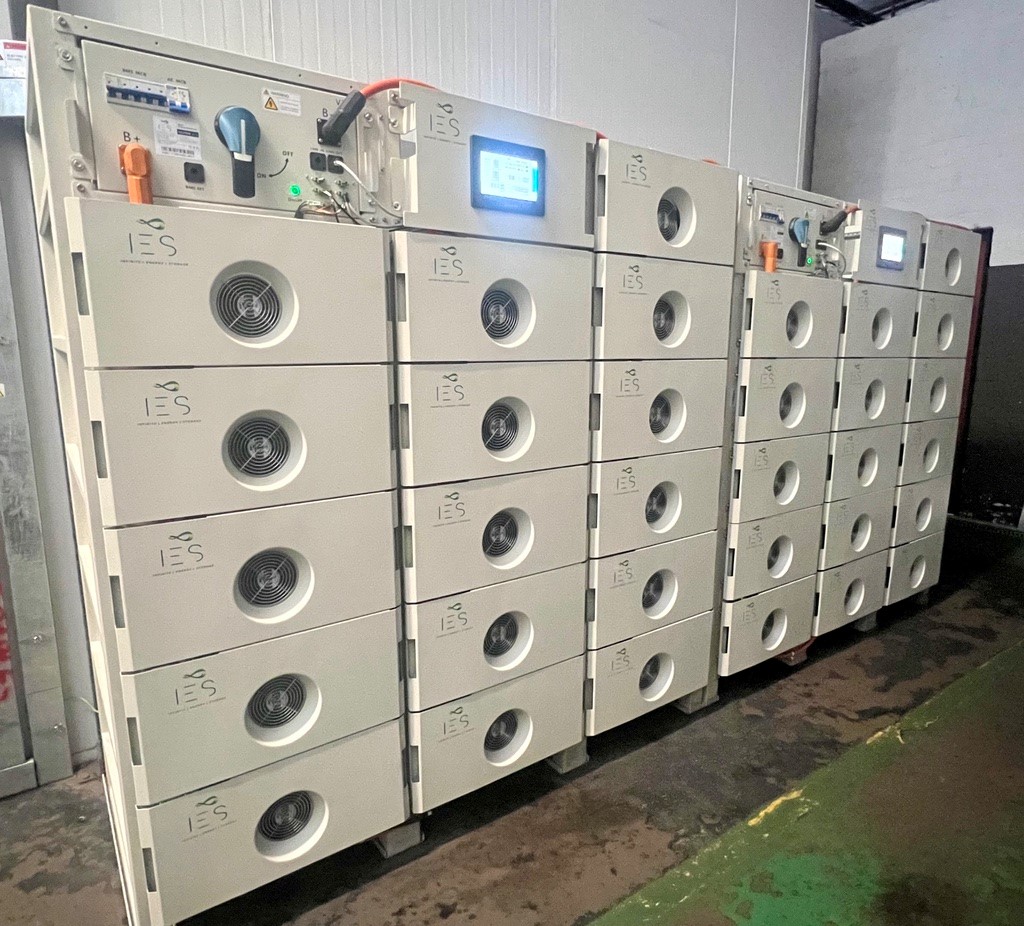
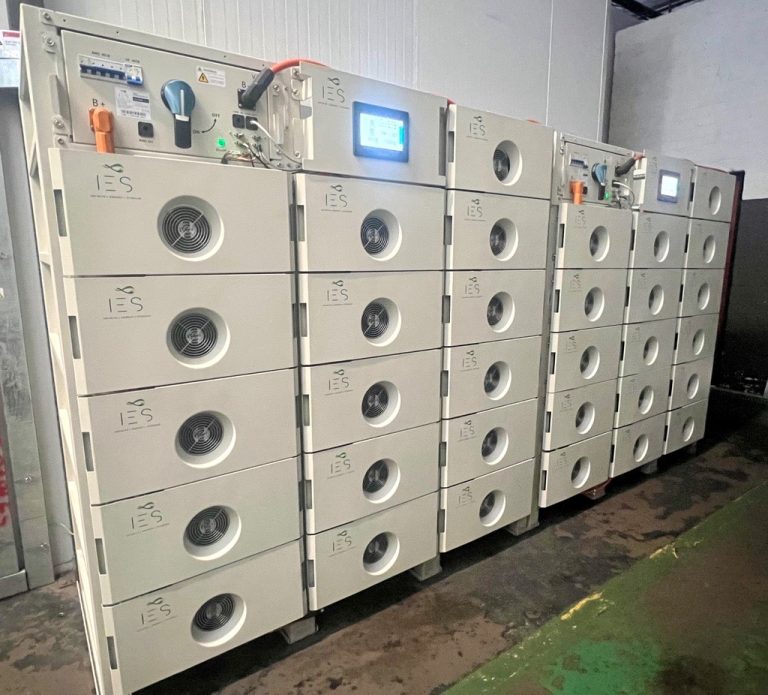
Energy storage solutions to smooth out peaks, ensure a reliable power supply, and maximize flexibility.
Cost and investment management
The Logistics sector operates in a highly competitive environment, where controlling operational costs is critical.
In this context, energy transition projects must be implemented without requiring significant upfront investments that could hinder their deployment.
GreenYellow’s ESCO model addresses this challenge by offering fully financed solutions with no CAPEX required. Projects are designed, financed, implemented, and operated with guaranteed energy performance.
GreenYellow handles:
Initial investment, with no CAPEX required from the client.
Design and engineering of installations.
Deployment and maintenance of equipment.
Operational monitoring and performance tracking.
This model enables Logistics players to immediately benefit from economic and energy gains while minimizing technical, operational, and financial risks.
Regulatory compliance
In the logistics sector, regulatory requirements regarding building energy efficiency, carbon emissions reduction, and site operations are gradually becoming more stringent, particularly for warehouses and distribution centers.
Thanks to GreenYellow’s support
Working alongside stakeholders in the logistics sector, GreenYellow supports its clients to ensure their compliance with current local regulations, while anticipating future changes.
With recognized expertise since 2007, GreenYellow continuously monitors regulatory developments to adapt solutions to evolving standards and ensure legal compliance.
This support enables logistics providers to ensure the safety of their operations while ensuring that their energy performance is consistently maintained within a compliant and rigorous framework.
Awareness and Engagement
Stakeholders in the logistics sector
The success of the energy transition in the Logistics sector largely depends on the involvement of operational teams, including site managers, maintenance teams, and Logistics managers.
Le développement d’une culture de la performance énergétique permet d’ancrer durablement les bonnes pratiques et d’optimiser l’utilisation des équipements.
This approach is part of a continuous improvement process, balancing energy efficiency, operational performance, and service quality—key priorities in the Logistics sector.