Food industry
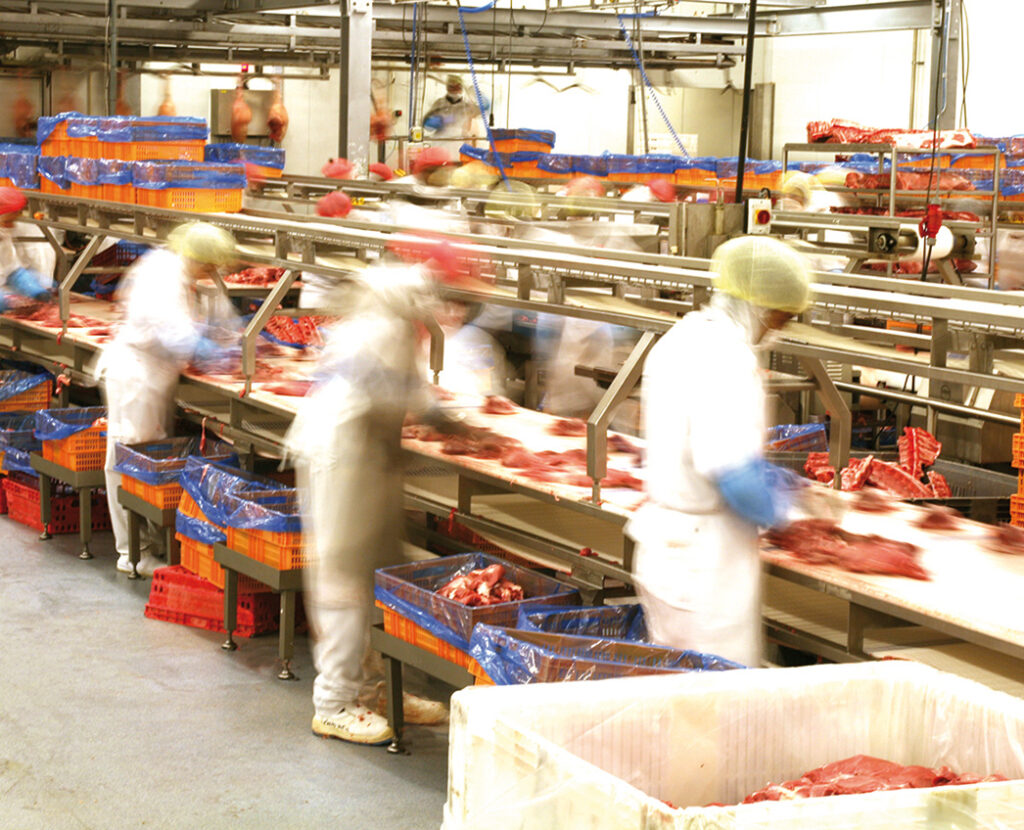
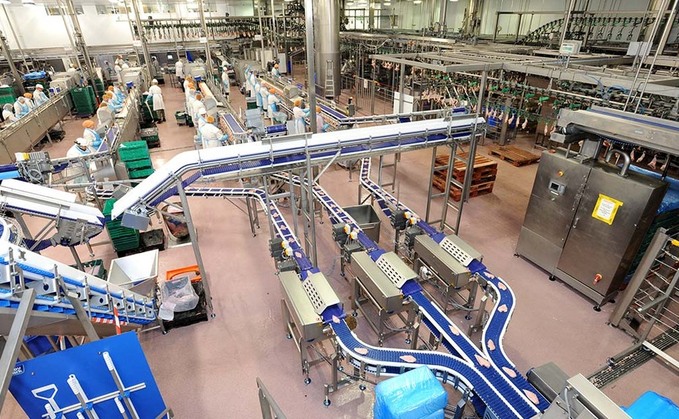
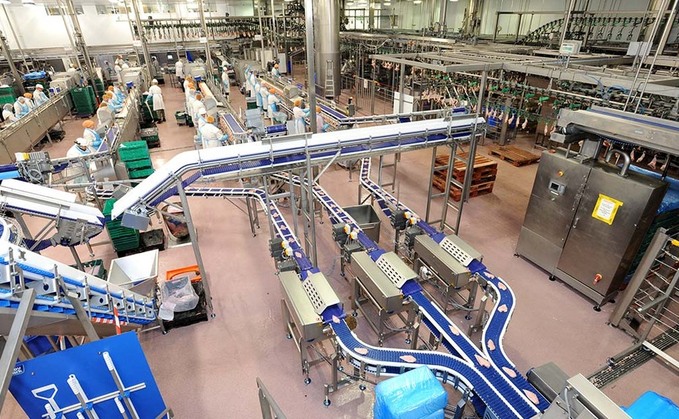
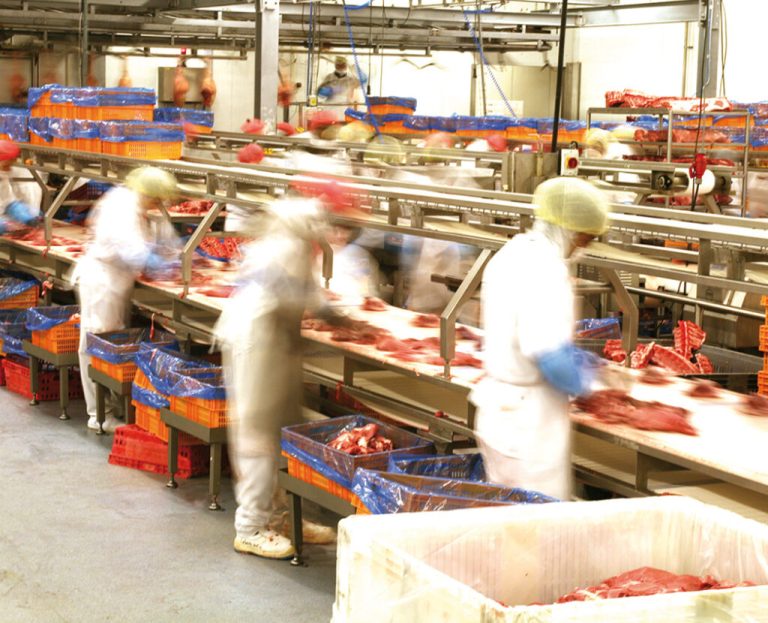
The Agri-food sector, which encompasses activities related to the processing, preservation, and packaging of food products — including dairy products, beverages, meat, seafood, frozen foods, and industrial bakery — is characterized by high energy intensity and particularly demanding operational constraints.
Its greenhouse gas (GHG) emissions mainly stem from thermal processes such as cooking, pasteurization, and sterilization, as well as from refrigeration systems essential to maintaining the cold chain, and from industrial utilities such as steam, compressed air, and hot water. In addition, the need to continuously ensure product safety and quality results in constant and difficult-to-reduce energy consumption.
In a context marked by volatile energy prices, margin pressure, and increasingly stringent regulatory and environmental requirements, the energy transition has become a strategic lever for agri-food industrial players. This transition is no longer limited to energy efficiency alone but now relies on a combination of complementary levers, including the electrification of uses, the integration of local renewable energy, and the development of energy flexibility through energy storage.
GreenYellow supports players in the agri-food sector with a comprehensive and integrated approach
Through a comprehensive and integrated approach, we cover the entire energy value chain:
- analysis
- design
- Financing
- deployment, and operational management of solutions
This approach makes it possible to balance economic performance, operational safety, and a reduced carbon footprint.
Improving energy efficiency and electrification of uses
The Agri-food sector offers significant potential for energy optimization, particularly due to the repetitive nature of processes and the structured nature of production cycles. Improving energy efficiency therefore represents a primary lever for sustainably reducing both consumption and costs.
Our comprehensive approach combines:
Reduction in Energy Consumption
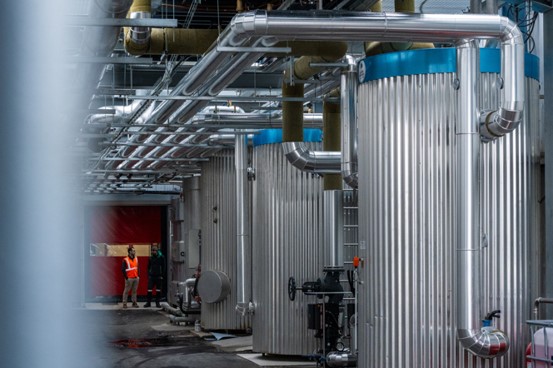
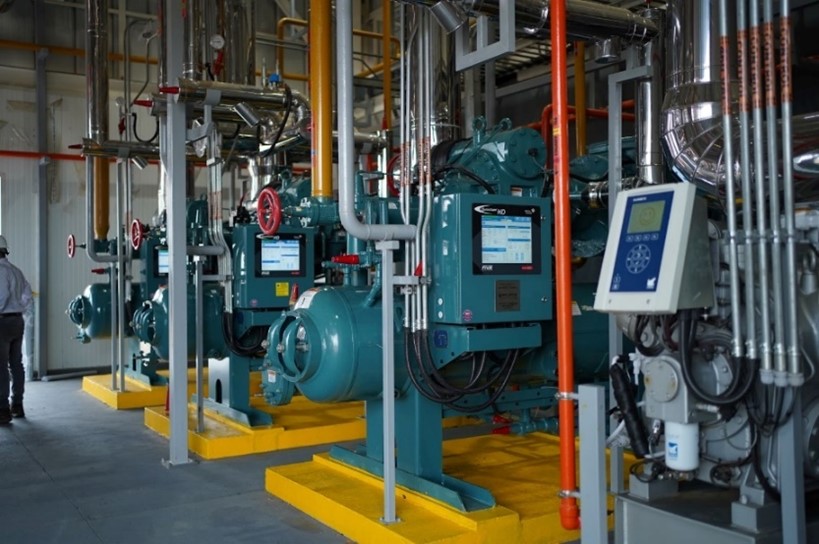
This approach involves fine-tuning industrial processes and utilities, especially refrigeration systems, which represent a major energy consumption item. Enhancing the performance of cooling systems, recovering heat from compressors, optimizing steam and hot water networks, and reducing losses along production lines can generate substantial savings while preserving product quality.

Electrification of end uses
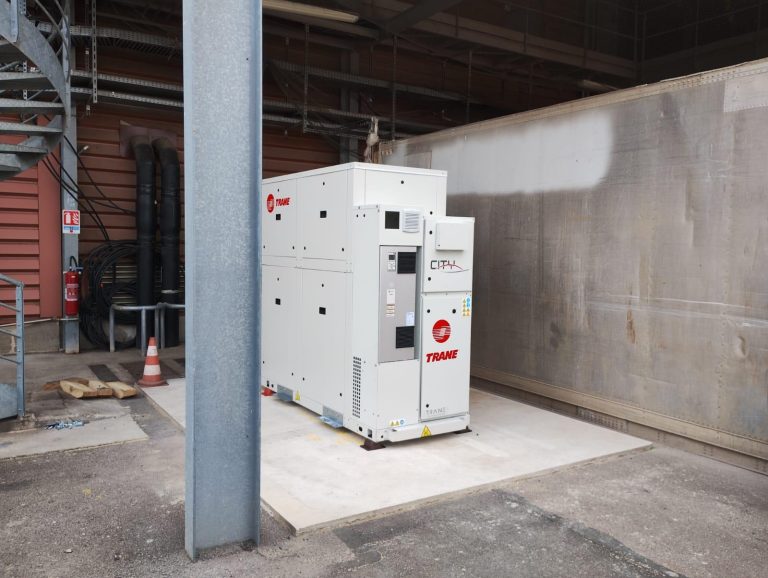
The electrification of uses also stands out as a key driver of the energy transition. It notably involves the gradual replacement of fossil fuels with low-carbon electrical solutions, such as industrial heat pumps adapted to low- and medium-temperature heating needs. The electrification of thermal processes, combined with thermal storage solutions, also helps ensure operational continuity while optimizing energy consumption.
Transition to local green energy production
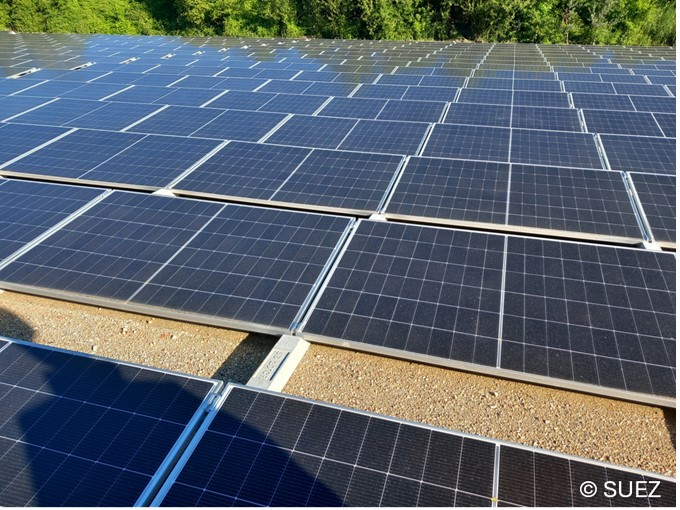
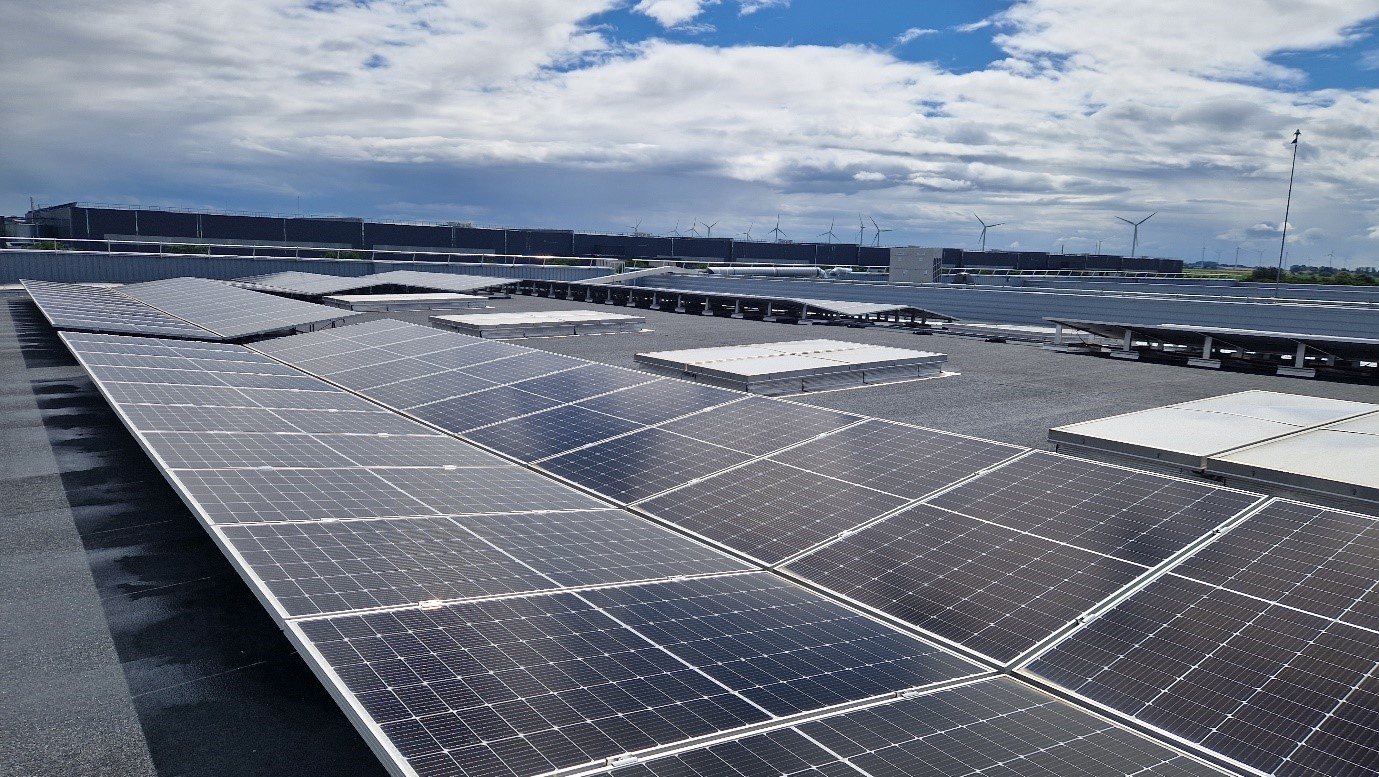
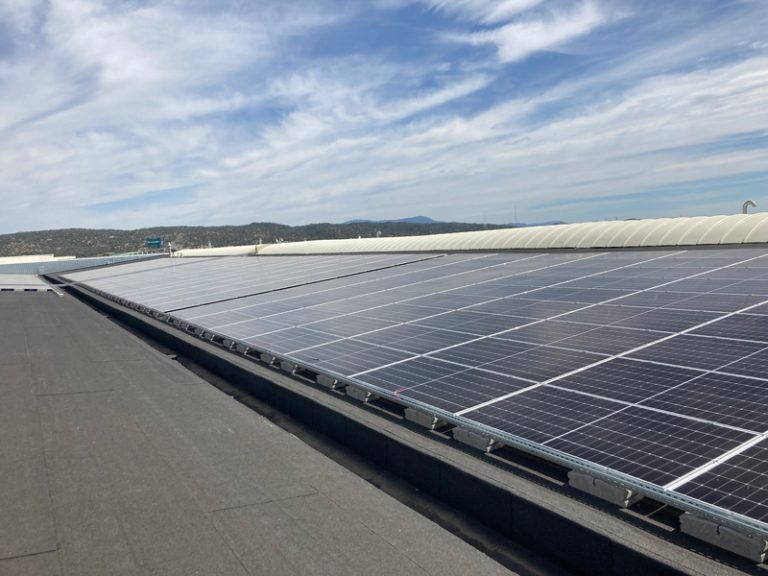
Agri-food sites have particularly favorable conditions for deploying renewable energy solutions, notably due to their large roof areas and relatively stable and predictable consumption profiles.
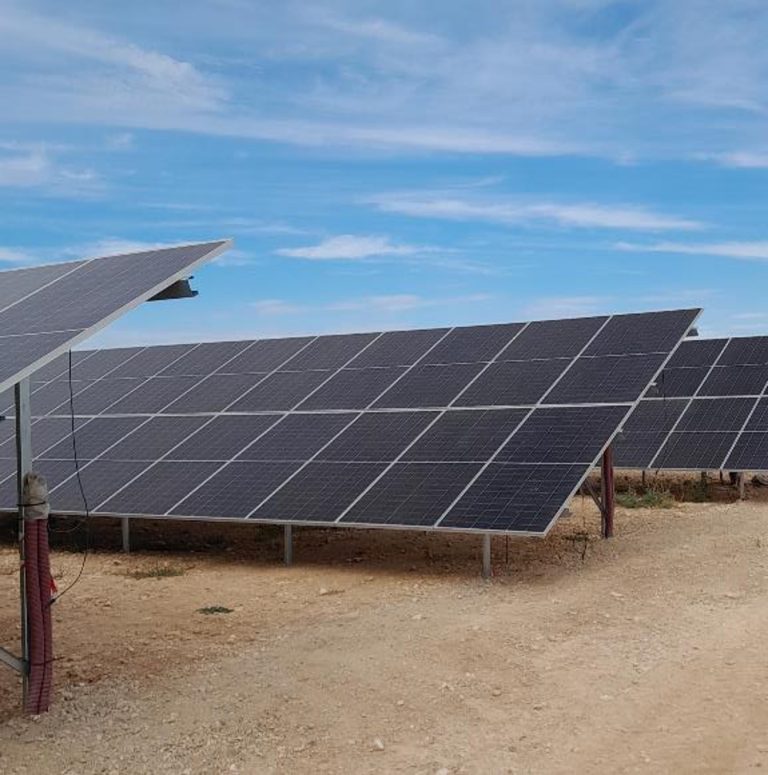
The integration of photovoltaic systems for self-consumption enables the local production of low-carbon electricity directly used by industrial facilities, particularly for refrigeration, processing, and packaging needs. This local production contributes to sustainably reducing energy bills while limiting exposure to energy price volatility.
It also represents a key lever for product decarbonization, an issue that has become central in relationships with distributors and consumers, who are increasingly attentive to the environmental footprint of production chains.
Thanks to a turnkey model, with no upfront investment and with performance and availability guarantees, GreenYellow enables agri-food industrial players to deploy these solutions in a simple, fast, and secure way, while strengthening their energy independence.
Innovation | Energy Demand Management
In the Agri-food sector, energy management must take into account strict constraints related to production continuity and cold chain integrity. Solutions must therefore be reliable, secure, and non-intrusive.
Energy Storage
Energy storage plays a key role in improving site flexibility. Batteries help smooth electricity consumption peaks and secure the supply of critical equipment, while thermal storage allows the shifting of cooling or heating production according to grid constraints and economic opportunities.
At the same time, the deployment of advanced energy management systems enables real-time synchronization between production, consumption, and, where applicable, renewable energy generation. This approach makes it possible to optimize equipment operating cycles, particularly refrigeration systems, without compromising product quality or sanitary requirements.
GreenYellow is taking it a step further by developing microgrids
in partnership with Schneider Electric, enabling local, intelligent, and resilient energy management. This approach transforms energy into a
GreenYellow stands out with a proactive, modular approach, offering a platform of combinable or individually deployable solutions:
Solar farms, solar photovoltaic plants on rooftops or solar carports for self-consumption and feeding into the grid.
Energy storage solutions to smooth out peaks, ensure a reliable power supply, and maximize flexibility.
Cost and investment management
The Agri-food sector is particularly sensitive to economic challenges, with often tight margins and investment priorities focused on production assets. In this context, implementing energy transition projects can be challenging if they require significant upfront investments.
The ESCO model proposed by GreenYellow addresses these constraints by offering a fully financed solution, with no CAPEX required from the client. Projects are assessed, designed, fully financed, deployed, operated, and maintained by GreenYellow teams, with contractual energy performance guarantees.
GreenYellow handles:
Initial investment, with no CAPEX required from the client.
Design and engineering of installations.
Deployment and maintenance of equipment.
Operational monitoring and performance tracking.
This model allows industrial players to immediately benefit from energy and cost savings while eliminating technical and financial risks. It acts as a major accelerator for the energy transition by making high-performance solutions accessible without complex budget trade-offs.
Regulatory compliance
The Agri-food sector operates within a particularly demanding regulatory environment, at the intersection of sanitary and environmental requirements. Industrial players must reconcile strict food safety obligations with increasing requirements in terms of energy performance and carbon emission reduction.
Avec GreenYellow
In this context, GreenYellow supports its clients by fully integrating these constraints into the design and deployment of energy solutions. This approach ensures compliance with regulations while anticipating future changes and maintaining a high level of performance.
Our expertise has been recognized since 2007; we conduct market monitoring that allows us to adapt our solutions to constantly evolving standards and ensure compliance with legal requirements regarding energy.
Our clients can count on GreenYellow to support them through this energy transition and to ensure that their energy management meets the most rigorous standards.
Awareness and Engagement
The success of the energy transition in the Agri-food sector largely depends on the involvement of operational teams. Production operators, maintenance teams, quality managers, and industrial leadership all play a key role in adopting and sustaining the implemented solutions.
It is therefore essential to foster a true culture of energy performance by raising awareness among teams and supporting them in evolving their practices. This must be done while ensuring that product quality and operational continuity — which are absolute priorities in this sector — are never compromised.