Enhance the rooftops of your sites and reduce your energy bill.
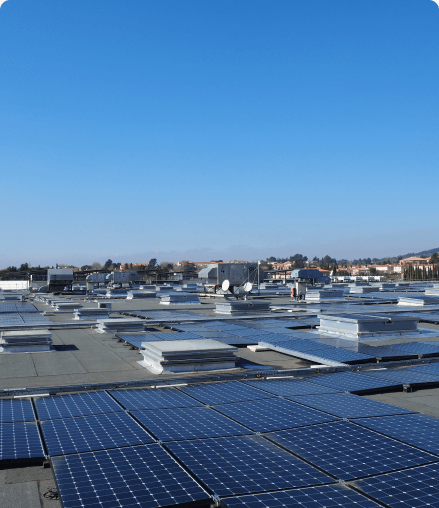
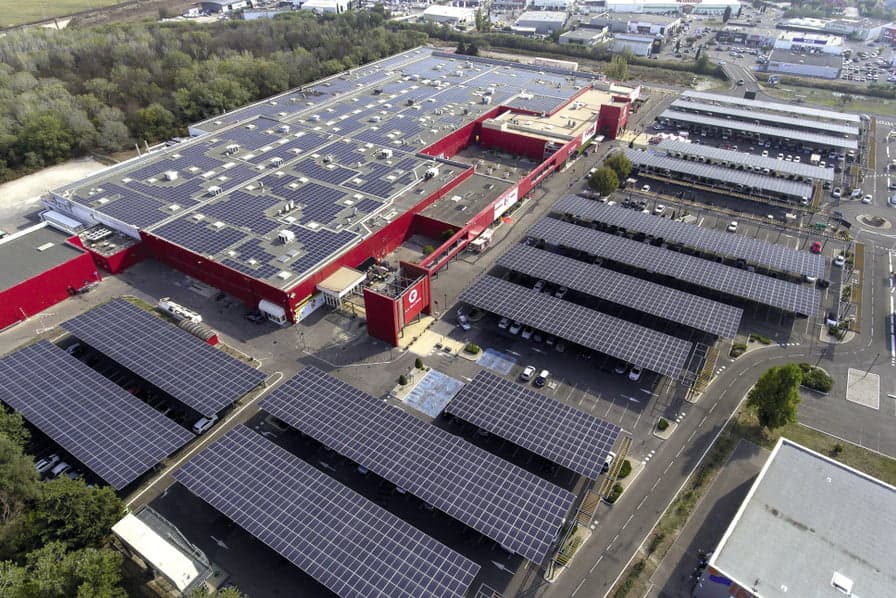
A rooftop solar power plant, also known as a rooftop photovoltaic solar power plant, is a solar energy generation system that is installed directly on the roof of a building and converts sunlight into green electricity.
There are numerous benefits to a decentralised rooftop solar power system. Firstly, the solar power system makes use of the available space on a building’s roof that would otherwise go unused. This saves ground space, which can be at a premium in densely populated urban areas.
Furthermore, a rooftop solar power system can reduce a building’s energy costs by generating green electricity on-site (self-consumption). This can enable building owners to reduce their reliance on the electricity grid and lower their electricity bills.
In some cases, the surplus green electricity generated by the rooftop solar power station can even be sold back to the electricity grid, generating additional income. In this case, it is a hybrid system that feeds electricity into the grid.
Rooftop solar power plants help green the local energy mix.
Solar Farm
Valuing unused space
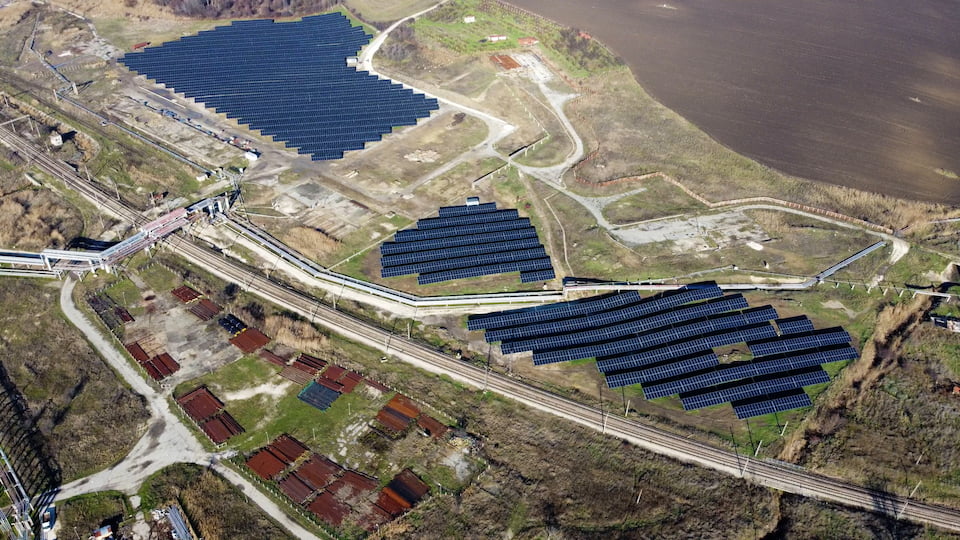
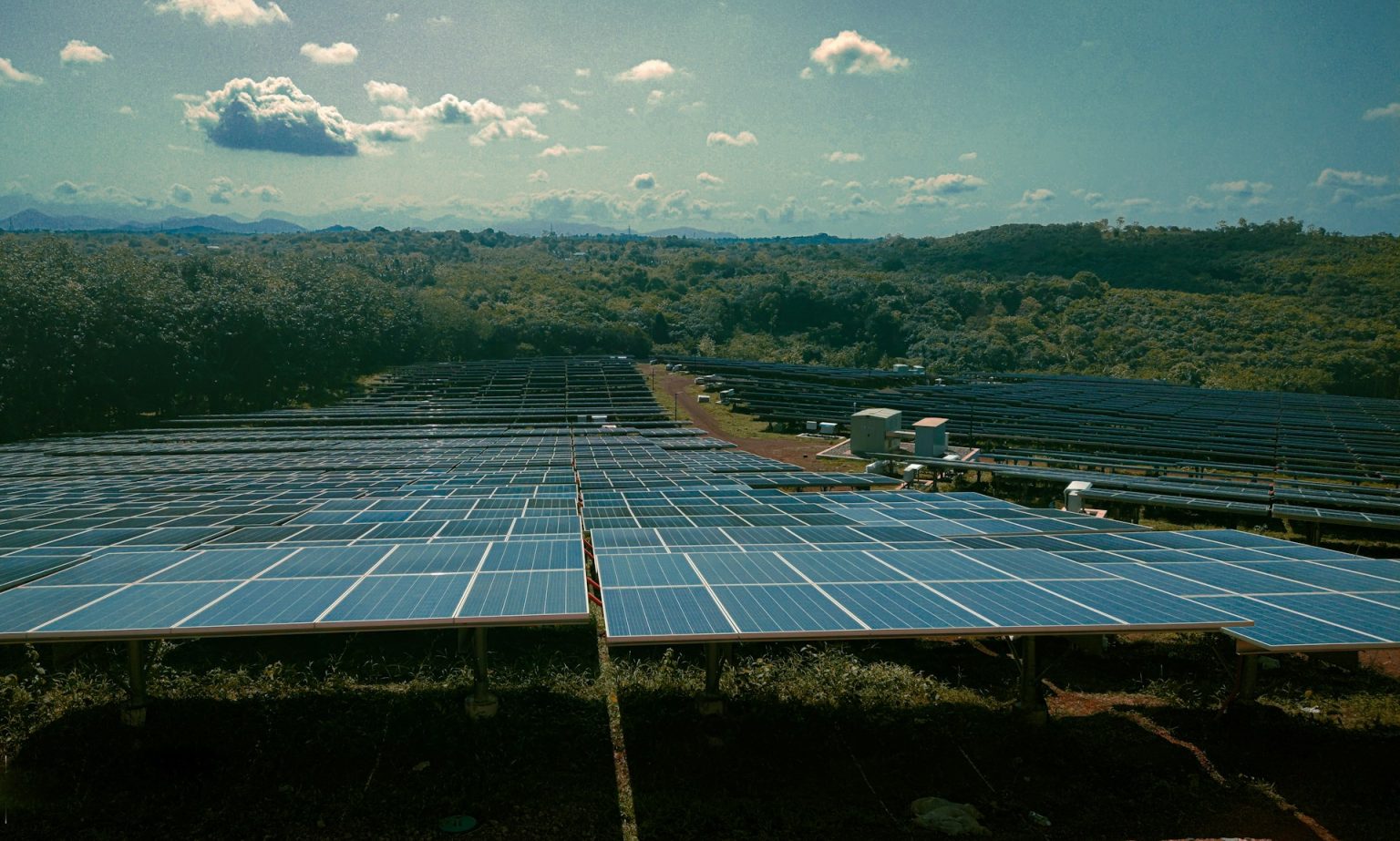
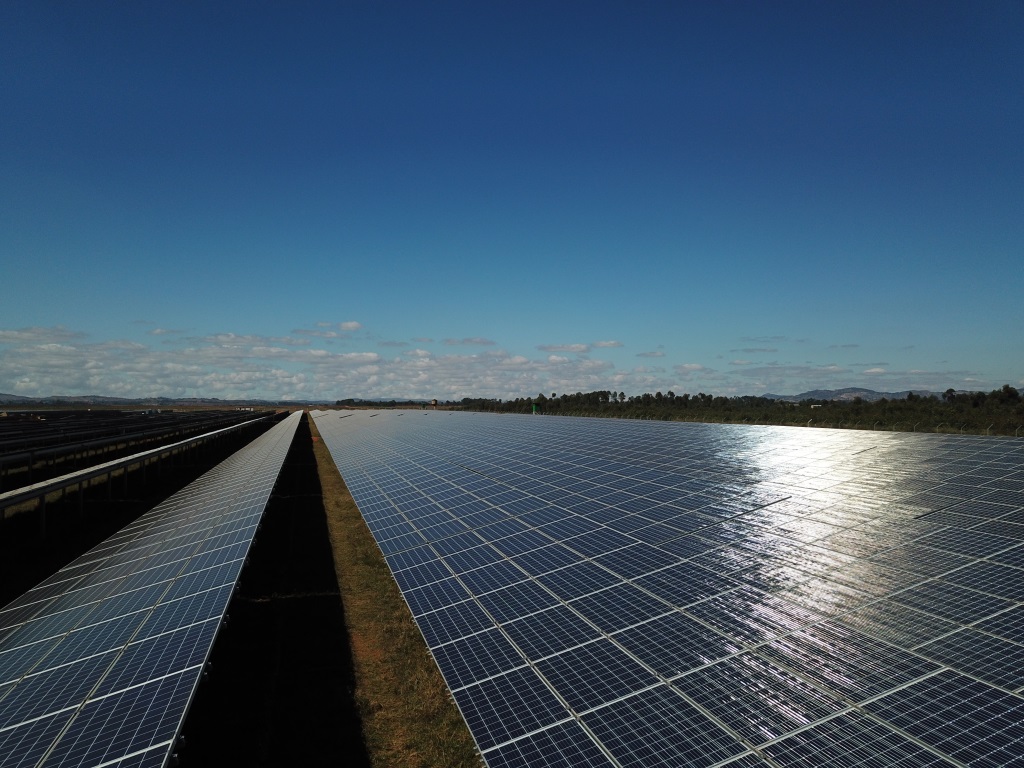
A ground-mounted solar farm, also known as a solar park, is a solar power generation facility that uses photovoltaic solar panels installed on the ground.
In contrast to solar rooftop installations, ground-mounted solar farms are generally larger in size and can cover areas of several hectares.
Flat, open areas covering several hectares – which are often degraded sites such as contaminated sites, former quarries or landfill sites, for example, or underground water retention basins – are particularly well suited to the installation of a solar farm. Solar farms can also be installed on farmland, thereby offering dual use (agrivoltaics) whilst protecting crops.
Ground-mounted solar farms are connected to the existing electricity grid in order to distribute the electricity they generate.
The green electricity generated can be used locally for self-consumption or fed into the electricity grid to meet regional energy demand.
Photovoltaic solar farms are available to all local authorities and businesses subject to certain conditions, including land ownership, approval for connection to the electricity grid and compliance with planning regulations. GreenYellow supports you throughout the entire value chain.
Floating Solar
Emerging technology for water bodies
Photovoltaic solar farms are available to all local authorities and businesses subject to certain conditions, including land ownership, approval for connection to the electricity grid and compliance with planning regulations. GreenYellow supports you throughout the entire value chain.
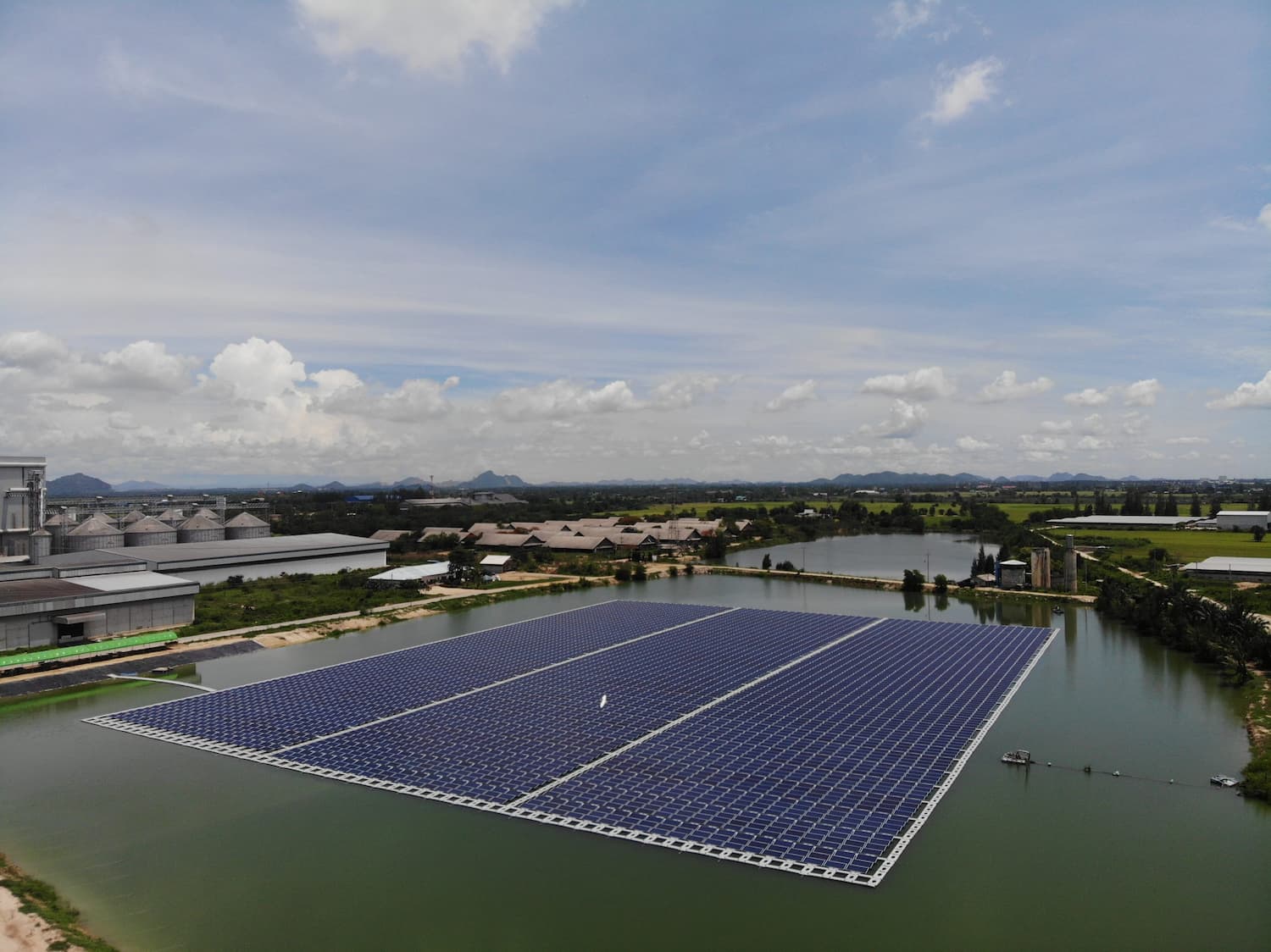
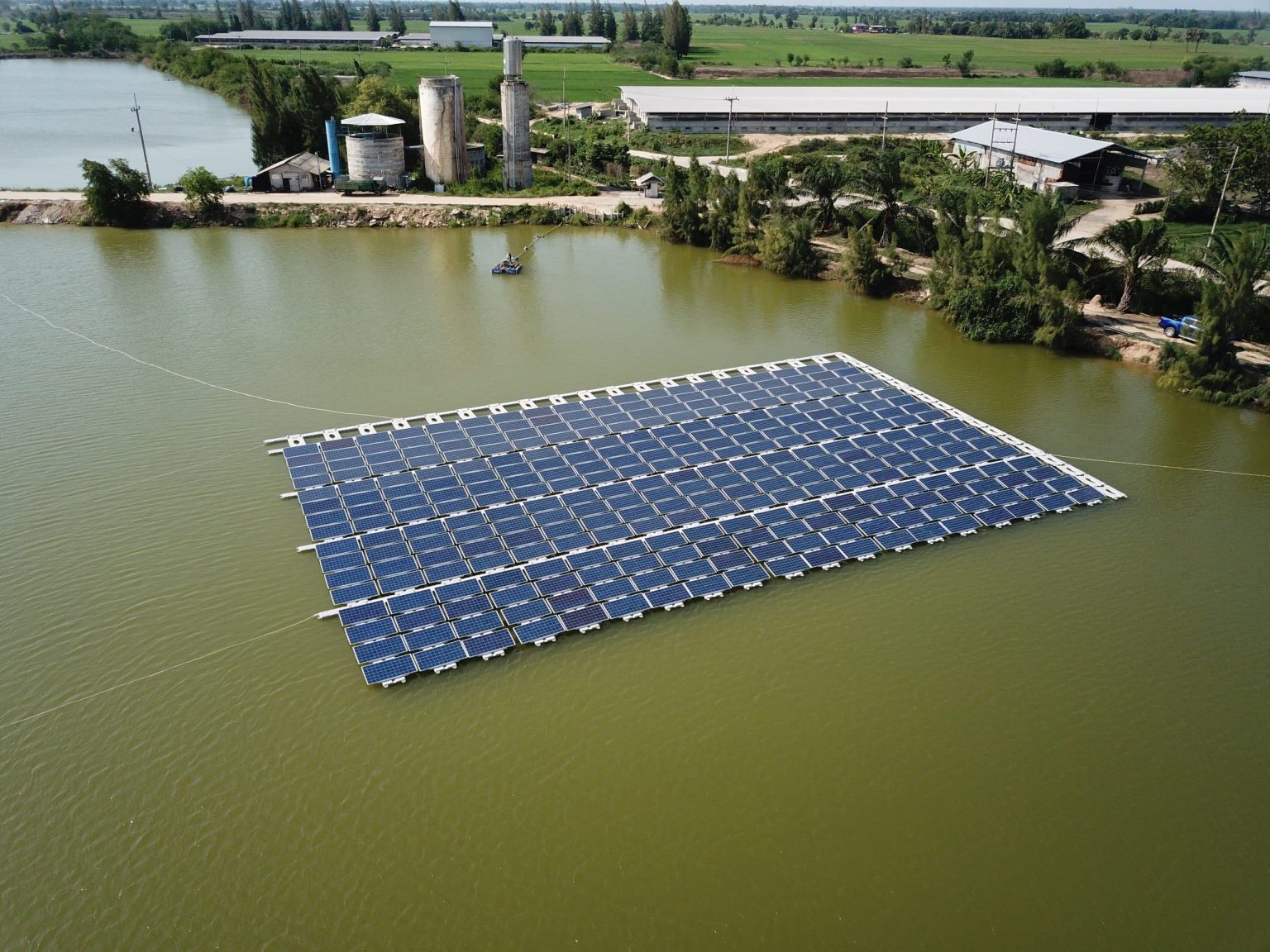
Floating solar power plants offer environmental performance and a number of advantages, including :
Water savings. By partially covering the water’s surface, floating solar installations can reduce evaporation, which is beneficial in arid regions or those prone to drought.
Better control of algal growth, as the coverage of the water’s surface reduces the penetration of sunlight, thereby helping to preserve water quality.
Improved performance of solar plant. Water helps cool photovoltaic solar panels, which can improve their efficiency and energy yield.
Moreover, it is easy to dismantle, and the price of floating solar power is virtually equivalent to that of land-based plants.
Hybrid system
A combination of a renewable energy source and a conventional generation system
Due to the intermittent nature of solar power, photovoltaic generation alone cannot meet the demands of all types of load profiles.
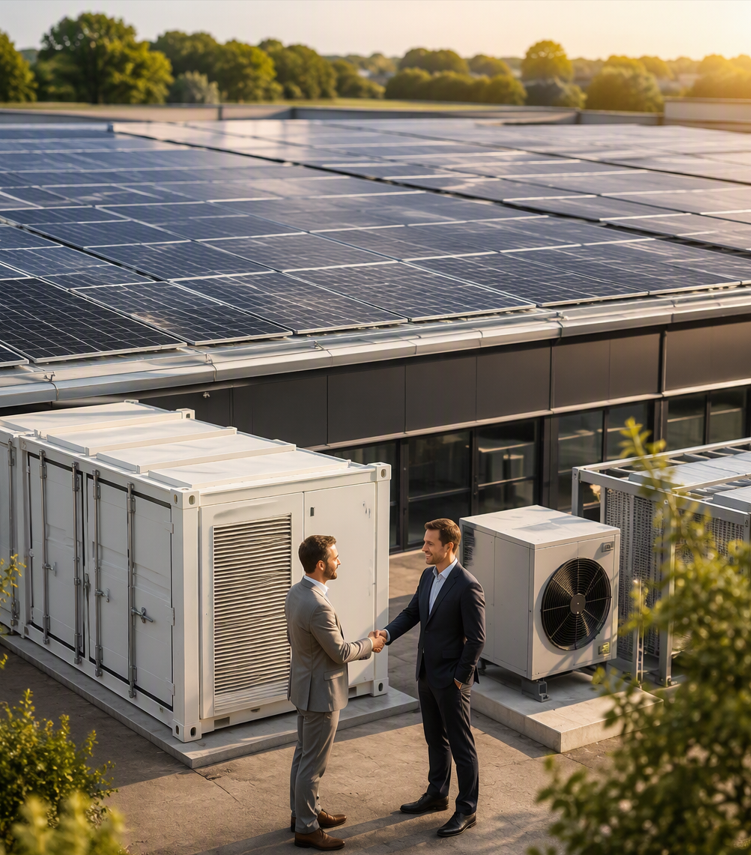
Hybrid systems, which combine a renewable energy source with a conventional generation or storage system, such as a generator or a storage battery, offer a high degree of flexibility in terms of controlling the generation mode and the amount of energy produced.
This is particularly suitable for remote industrial sites or where the electrical load remains constant throughout the day.
The idea behind a hybrid solar system is to optimise energy production and use by making the most of several sources.
In the hybrid solar systems offered by GreenYellow, solar panels capture solar energy and convert it into electricity. This electricity can be used directly to power appliances for self-consumption, or stored in a battery for later use. If necessary, when solar energy is insufficient to meet energy requirements, another energy source, such as a generator, kicks in to provide the additional electricity required.
Secondly, a hybrid solar system offers greater reliability and a continuous supply of electricity.
In the event of a shortage of solar power or when energy demand is higher, the storage battery can take over to prevent power cuts.
Finally, a hybrid solar system can help you save on energy costs. By using more solar energy, you reduce your reliance on fossil fuels or electricity from the grid, which can lead to long-term financial savings.
Thanks to these hybrid set-ups, it is possible to optimise the use of solar energy in line with specific needs, which contributes to greater energy efficiency and lower costs.