
Energy in the workplace today versus in 2035: what do we need to prepare for?
Faced with the energy transition and the climate emergency, French companies find themselves at the crossroads of two worlds: today’s energy sector, dominated by cost pressures and performance challenges, and the energy sector of 2035, which promises to be more efficient, more digitalised and largely decarbonised.
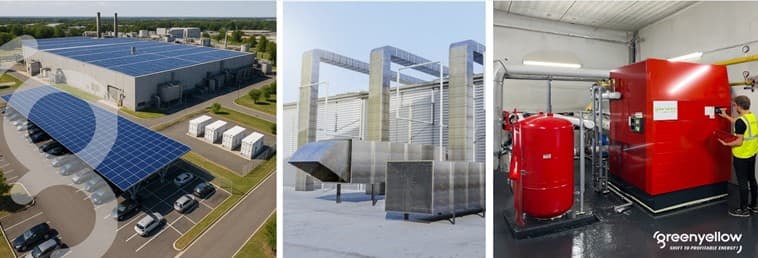
In this rapidly changing landscape, having a clear understanding of energy trends and regulatory developments is becoming essential for businesses to shift from a defensive approach to a proactive energy strategy.
This article therefore aims to provide them with guidance, insights and practical drivers to prepare for 2035. Its aim is to help decision-makers understand the structural changes ahead, as well as to identify best practices that will enable them to strengthen their competitiveness, regulatory compliance and energy resilience.
Energy in the workplace today (2026)
So, how can we anticipate these changes? How can we shift from a defensive approach to a proactive energy strategy? This article offers a comparative analysis of the current situation and the outlook for 2035, to help decision-makers prepare effectively.
Current challenges and context
In 2025, businesses operated against a backdrop of highly volatile energy prices, and this is likely to continue into 2026. This instability is due to several factors: persistent geopolitical tensions, adverse weather conditions affecting systems, and growing uncertainty regarding available resources. The energy mix remains largely dominated by fossil fuels (gas and oil) and nuclear power, although renewable energy sources (RES) are gradually gaining ground.
Among the main challenges faced, the ongoing rise in energy costs remains a major constraint for finance departments. Furthermore, companies must comply with increasingly stringent regulations, such as the Tertiary Sector Decree, which sets consumption reduction targets for the tertiary sector, and the CSRD non-financial reporting requirements, which demand greater transparency regarding ESG indicators. Finally, growing pressure from consumers, partners and investors is prompting organisations to adopt better carbon traceability and demonstrate concrete environmental commitments.
Energy in the workplace: solutions and trends in 2026
To tackle these challenges, many companies are turning to practical solutions. The first of these is energy efficiency, achieved through in-depth audits, targeted action plans and renovation work. GreenYellow, for example, offers bespoke solutions combining technical analysis, implementation and performance commitments.
Generating electricity through solar photovoltaic technology is another major trend. More and more businesses are installing solar panels on their rooftops, car parks or Solar Carports to meet an increasing proportion of their energy needs. This strategy is often complemented by energy storage systems, which help to smooth out peaks in consumption and optimize self-consumption.
Added to this is a wave of digitalisation, with the installation of energy monitoring systems, building management systems and real-time dashboards. The use of smart grid solutions also makes it possible to better align consumption with generation, whilst bringing greater flexibility to the overall electricity system.
Energy efficiency is also a key pillar of current strategies. It is not simply a matter of imposing cuts in consumption: it is a structured approach aimed at optimising actual needs, improving technical settings, reducing losses and eliminating unnecessary consumption.
In practical terms, businesses can take action on several drivers:
- optimisation of HVAC systems (heating, ventilation and air conditioning),
- fine-tuning of lighting levels,
- adjustment of temperature settings,
- automated equipment programming,
- reduction in energy consumption during periods of inactivity.
When combined with energy efficiency, energy conservation helps to improve security of supply, reduce final energy consumption and limit dependence on fossil fuels – all key factors highlighted in national forward-looking scenarios.
A proactive energy strategy: the immediate benefits
These efforts are yielding tangible results. Companies pursuing a proactive energy strategy can expect to see a reduction in operating costs of up to 40%, depending on the sector. They also enhance their CSR profile, a key driver of differentiation in tenders or when engaging with consumers. Furthermore, they find it easier to comply with ESG requirements, whilst reducing their reliance on a fossil-fuel-based energy mix or a single supplier.
These measures therefore offer a threefold benefit: economic, environmental and reputational.
Energy in the workplace by 2035
Changes in the energy landscape
By 2035, according to various studies carried out in recent years, the energy landscape will have changed dramatically. The energy mix will be largely decarbonised, with the majority of electricity coming from solar, wind, biogas and next-generation nuclear power. This structural shift will be accompanied by the widespread electrification of various sectors: heating, transport and industrial processes will all converge towards electricity as the central energy source.
The regulatory framework will also be significantly strengthened by 2035. In addition to the requirements of the CSRD, companies will have to comply with the objectives of the National Low-Carbon Strategy (SNBC), the Multi-Annual Energy Plan (PPE) and increased requirements regarding energy audits and the monitoring of Scope 1, 2 and 3 GHG emissions, as well as energy performance indicators integrated into the corporate strategy.
The phased introduction of the new rules will require careful planning: anticipating investments, managing consumption, adopting low-carbon technologies, and continuously adapting to changes in the French electricity system, which is increasingly driven by intermittent renewable energy sources. Stationary storage, smart control and energy flexibility technologies will become standard, driven by major technological innovations.
These developments are part of a wider initiative led by the European Commission, which aims to accelerate decarbonisation and tighten requirements on Member States and businesses.
All these requirements will drive companies towards more integrated multi-energy strategies.
The energy transition for businesses: what do we need to prepare for?
Here are the major projects to look out for from now on:
- Stricter regulations: carbon neutrality targets, renewable energy quotas in the energy mix, and a requirement to publish comprehensive greenhouse gas emissions reports covering Scopes 1, 2 and 3, in accordance with the CSRD.
- Digitalisation in the energy sector: with the rise of IoT sensors, artificial intelligence and control platforms, buildings are becoming smart and capable of responding in real time, automatically optimising their energy consumption.
- Collective self-consumption: businesses will be encouraged to pool their energy production across multiple sites or stakeholders within the same local ecosystem, thanks to more favourable European legal frameworks and schemes such as those presented by ADEME.
- Dynamic pricing: electricity prices will vary by the minute depending on the state of the grid, encouraging consumers to postpone or adjust certain energy-intensive activities. The principle of energy flexibility lies at the heart of the dynamic pricing strategies already being trialled in France.
- Integration with smart grids: direct interaction with network operators to harness energy flexibility, avoid peaks, and strengthen local resilience. ADEME and RTE highlight the strategic role of smart grids in the electricity system of the future.
-
Flexibility and security of the electricity system: with the rise of intermittent renewable energy sources, the use of energy flexibility will become essential. Businesses will need to be able to adapt their energy consumption in response to grid signals, monetise their capacity through flexibility services, and contribute to the stability of the electricity system.
-
Developments in the existing nuclear fleet and new capacity: the extension of certain facilities and the introduction of innovative nuclear technologies (SMRs and next-generation reactors) will have a direct impact on the cost and availability of electricity.
-
Reduced reliance on fossil fuels: the national roadmap envisages a structural decline in the use of gas and oil. Businesses will therefore need to rethink their energy-intensive processes and accelerate their electrification.
Comparative overview: 2026 vs 2035
| CRITERIA | Today | 2035 |
|---|---|---|
| Regulations: | Tertiary Sector Decree, CSR, mandatory | GHG reporting, carbon neutrality |
| Energy mix | predominantly fossil fuels and nuclear power; | predominantly renewable energy and innovative nuclear power |
| Technologies: | BMS, monitoring, PV | IA, digital twins, real-time control |
| Applications | HVAC, lighting, manufacturing | Mobility, charging, Automation |
| Corporate strategy | Targeted energy efficiency | Integrated multi-energy and multi-site strategy |
Conclusion
The coming decade will bring about a fundamental transformation in the way businesses consume, generate and manage their energy. By 2035, only a proactive, connected and sustainable strategy will enable companies to remain competitive and compliant. GreenYellow is already supporting this transformation through solutions in solar power, energy storage, energy efficiency and electric mobility.
✉️ To develop a robust energy strategy for 2035, contact the experts at GreenYellow.
Selected clients’ references
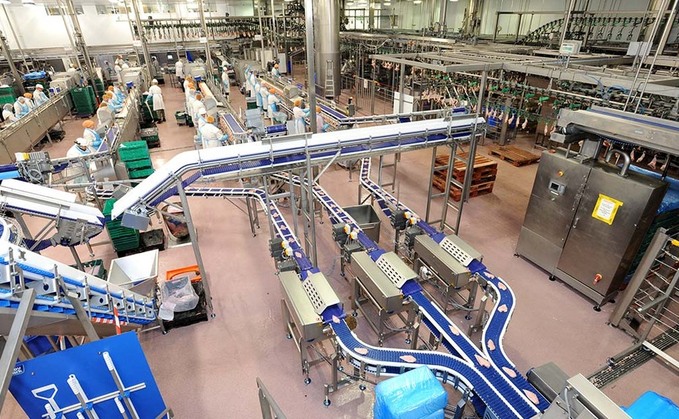
- Energy Efficiency
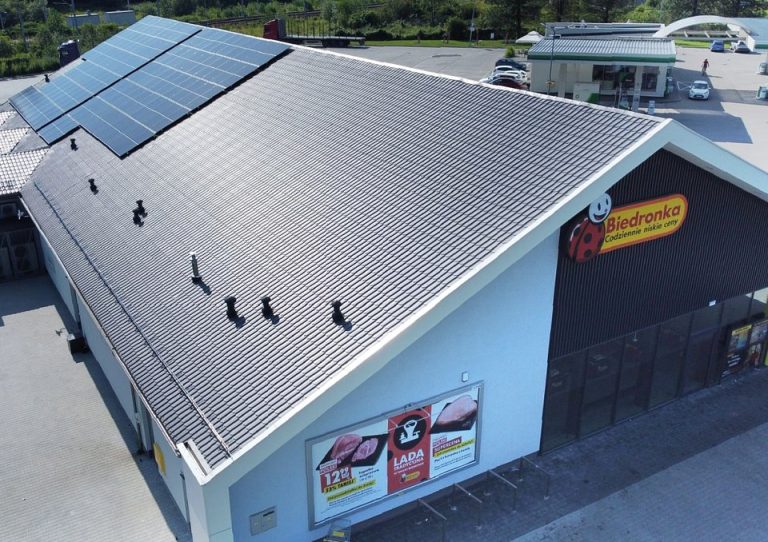
- Solar energy production
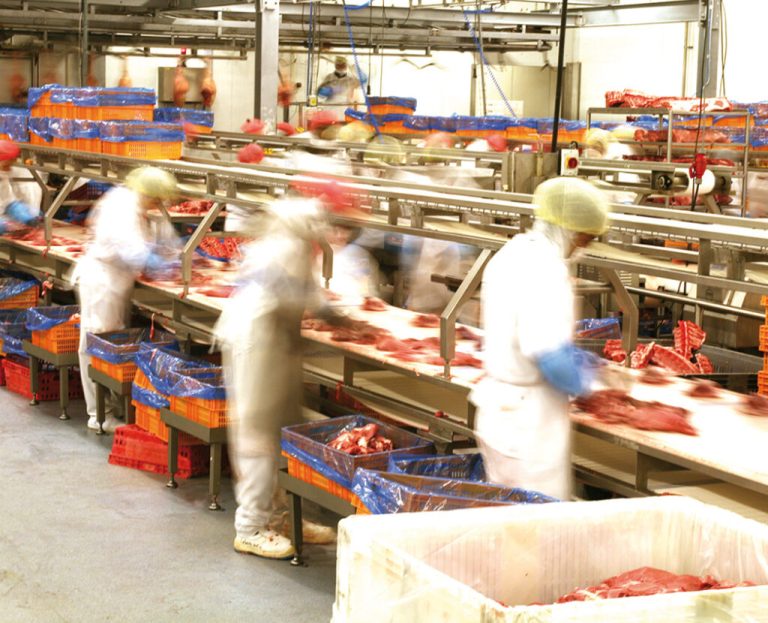
- Energy Efficiency

