
Energy performance of businesses
Energy performance is one of the key challenges for companies seeking a successful energy transition.
With an impact on your energy consumption, your environmental footprint, and your energy bill, the energy performance of your sites can be optimized to generate savings, thanks to GreenYellow’s unique global platform of offerings.
With GreenYellow, shift to profitable energy!
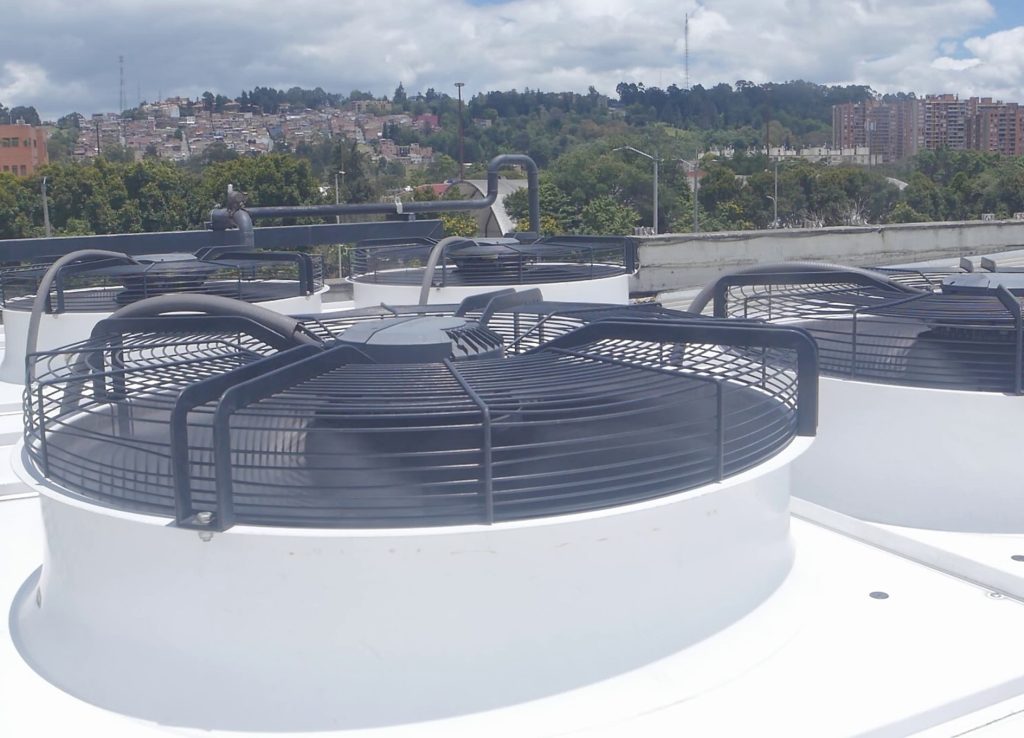
What is energy performance?
Energy performance is the amount of energy consumed or estimated by a building each year, taking into account the quality of its construction, its energy equipment, and its operating mode. This consumption may include expenses for heating, cooling systems, ventilation, lighting, electricity, gas, hot water, etc.
The concept of energy performance is commonly used in topics related to the ecological transition of companies in connection with the concept of energy efficiency.
How to calculate your energy performance?
The energy performance of a building is traditionally calculated by multiplying the power of electrical appliances in kWh by the number of hours they are used over a year. Calculating the energy efficiency of a unit is slightly different and involves dividing the amount of energy supplied by the amount of energy consumed and multiplying this result by 100.
As part of its #SHIFTEfficiency offering, GreenYellow establishes a complete energy profile for your sites and calculates their energy performance. These elements are based on a comprehensive energy audit, which is necessary to understand the energy performance of your sites.
Our energy efficiency experts analyze all of this data to identify the most relevant energy savings opportunities and energy efficiency drivers.
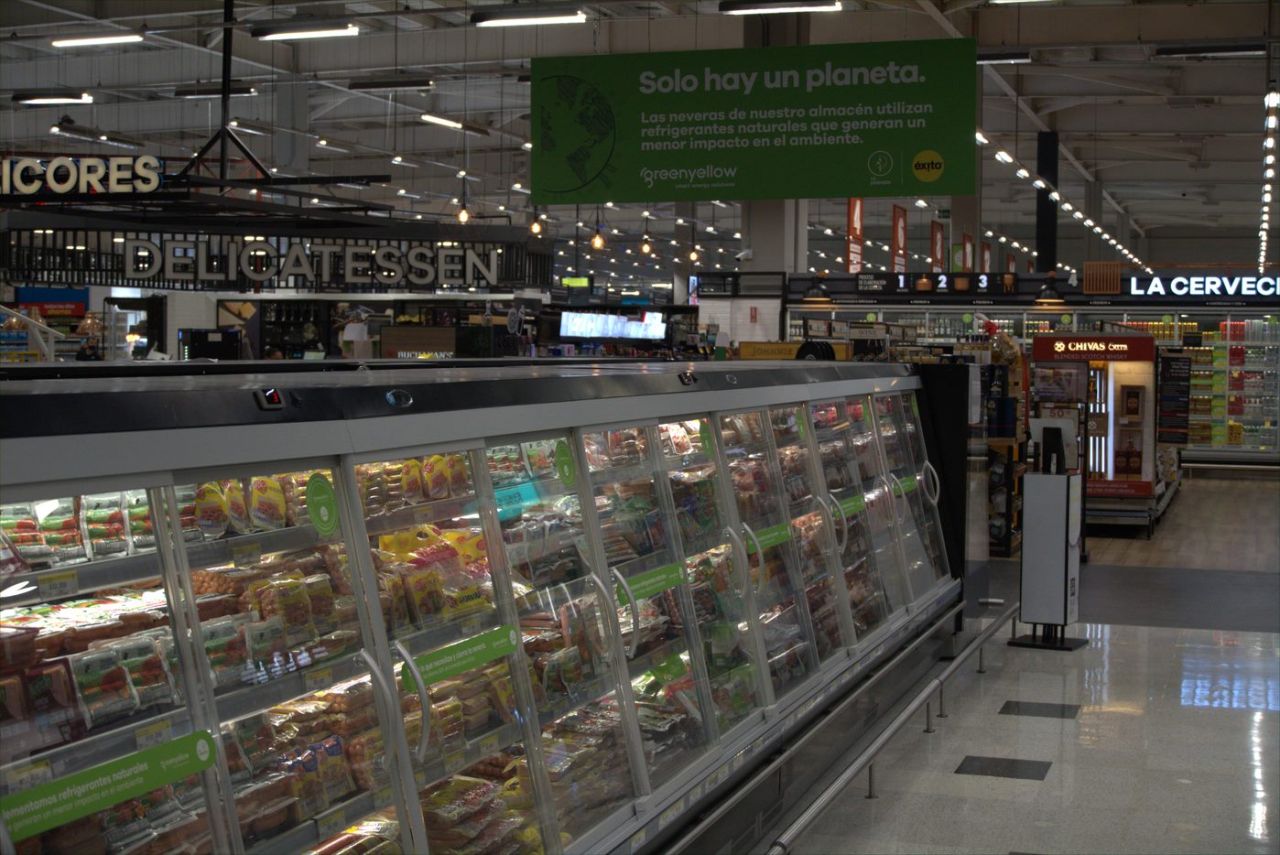
Find out all the energy efficiency solutions in our #SHIFTEnergy Efficiency offering.
The benefits of an energy efficiency project for your company
According to ADEME, an energy efficiency project applied to a production unit can enable your company to achieve savings of:
- 2 to 60% per workstation on compressed air production units
- 2 to 60% per workstation on heating and cooling production units
- 2 to 5% per workstation on pumping systems
- Up to 60% per workstation on ventilation systems
- 1 to 50% per workstation on drive systems
- Up to 15% per workstation on electrical distribution networks
GreenYellow helps companies, particularly those in the C&I sector, to consume better and consume less through tailor-made energy efficiency projects. Our turnkey solution enables you to significantly reduce your energy costs and carbon footprint.
How can you improve your company’s energy performance?
Improving your company’s energy performance means sustainably reducing your energy consumptionwhile maintaining your level of comfort, production, or service. Beyond the financial savings, you strengthen your CSR commitment and reduce your carbon footprint. This process is based on a structured approach that combines analysis, targeted actions, and performance monitoring.
Conduct an energy audit
An energy audit is the first essential step in ensuring the success of your organization’s energy efficiency project. It allows you to establish an an accurate energy profile for your sites. The audit helps you identify the most energy-intensive uses and detect the main drivers for savings.
At the end of the audit, you will receive a comprehensive report including:
- a detailed assessment of energy consumption,
- a list of priority actions to improve the energy efficiency of your sites,
- an inventory of the work required, the savings that can be achieved, and the payback period for the investments.
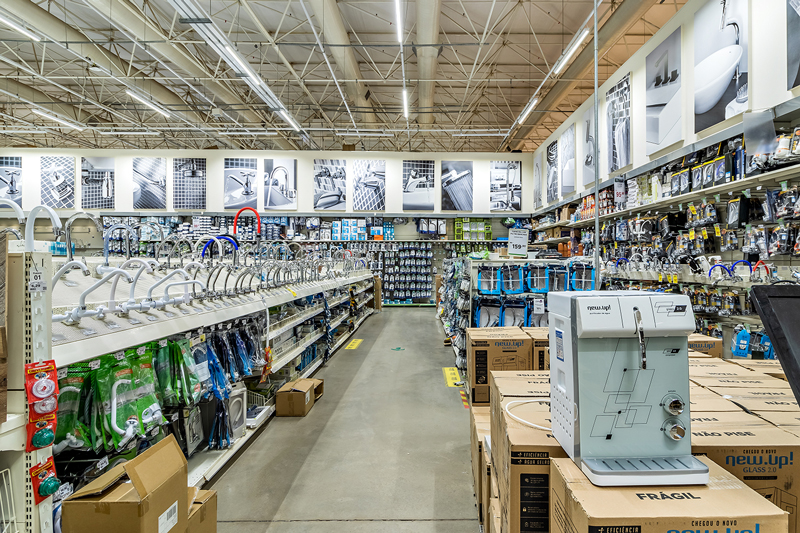
Implement energy efficiency measures
Based on the audit, targeted actions can be implemented to improve the energy efficiency of your buildings and equipment.. This work may involve:
- insulation (attics, floors, walls, rooftop roofs, heating pipes, etc.),
- heating, ventilation, and air conditioning (HVAC) (boilers, heat pumps, radiators, etc.),
- lighting optimization,
- industrial equipment and processes.
These measures may be eligible for financing schemes, such as Energy Saving Certificates (ESC) in France. Similar subsidies exist in many European countries to encourage energy efficiency projects. As your partner in the energy transition, GreenYellow will take all the necessary steps to ensure you benefit from the ESCs for which you are eligible.
Rely on an Energy Performance Agreement (EEA)
The Energy Efficiency Agreement (EEA) allows you to commit to energy efficiency over the long term. This type of contract is also used in several European countries, where it is a recognized framework for guaranteeing energy savings. It is based on predefined performance targets, with a guarantee of energy savings and greenhouse gas (GHG) reductions.
The improvement targets are set by comparison with the reference consumption defined after the energy audit. Improvements may relate to reducing CO2 emissions, reducing energy consumption, or even a percentage saving on your sites’ electricity bills.
With our #SHIFTEfficiency offering, GreenYellow manages the entire project: from financing to the design of technical solutions and their implementation, not to mention continuous performance monitoring. You thus benefit from concrete improvements in the energy efficiency of your sites, without impacting the conditions of use of your premises, while benefiting from a contractual guarantee.
Find all of our energy efficiency solutions in our #SHIFTEfficiency offering.
Adopt an energy management system
Energy management is an approach aimed at continuously optimizing the energy performance of your sites. Unlike the implementation of separate energy-saving measures, energy management allows you to structure and sustain improvements in your company’s energy performance. This approach is determined by your CSR commitments or your energy transition objectives.. It enables you to reduce your energy bills sustainably by relying on:
- a continuous optimization process linked to regularly updated objectives,
- the development of an associated action plan,
- the tracking of results through energy performance monitoring,
- the implementation of corrective actions,
- the definition of the roles and responsibilities of each stakeholder.
Monitor and track performance over time
Energy performance is not limited to one-off projects. It relies on regular monitoring of consumption in order to identify deviations and adjust actions over time. Monitoring therefore enables energy usage to be managed and controlled.. The aim is to verify the effectiveness ofenergy optimization projects and track the savings achieved.
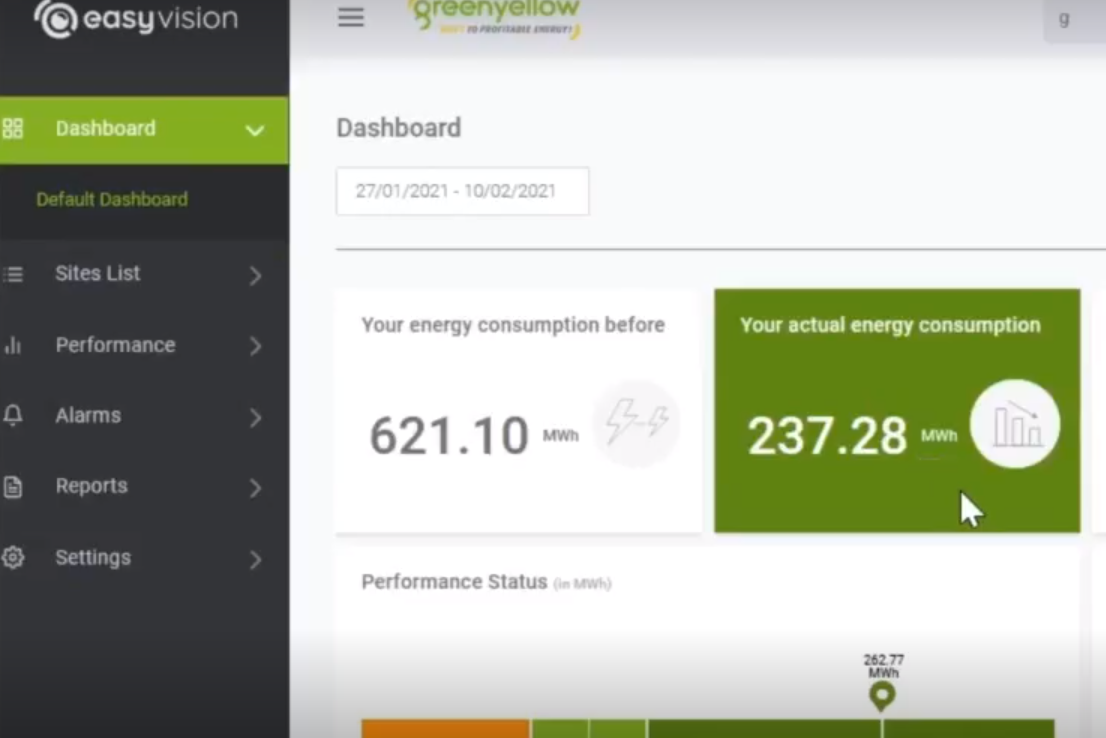
For reliable and effective monitoring, GreenYellow offers its clients EasyVision. This is a 24/7 monitoring solution , that centralizes energy tracking for all your sites. With EasyVision, you benefit from:
- centralized multi-site management,
- detailed data consultation for all your sites,
- alerts in the event of consumption deviations, and
- appropriate actions for continuous improvement, guided by our experts.
Which indicators should be monitored to assess energy performance?
To effectively manage your consumption, it is essential to monitor indicators that are relevant to your sector of activity, whether it be the service sector or industry, for example. These indicators enable you to assess performance levels, identify deviations, and guide actions to reduce costs.
Here are some of the main indicators to monitor:
- Standardized energy consumption (kWh/m² or kWh/DJU): useful for comparing buildings according to climatic conditions;
- Energy consumption per m² (tertiary sector) or per production unit (industrial sites): measures the performance of uses and processes;
- Specific indicators by use:
-
- Heating (kWh/m².DJU),
-
- Lighting (kWh/m²/year),
- Ventilation, cooling, compressed air (detection of deviations);
- Annual energy expenditure: monitoring of costs according to the energy used;
- Climate-adjusted consumption (DJU): to compare several years or several sites on an equivalent basis.
Used correctly, these KPIs can improve the energy performance of your sites and support your energy efficiency and sustainability initiatives, contributing to your performance while reducing your company’s carbon footprint for the long term.

